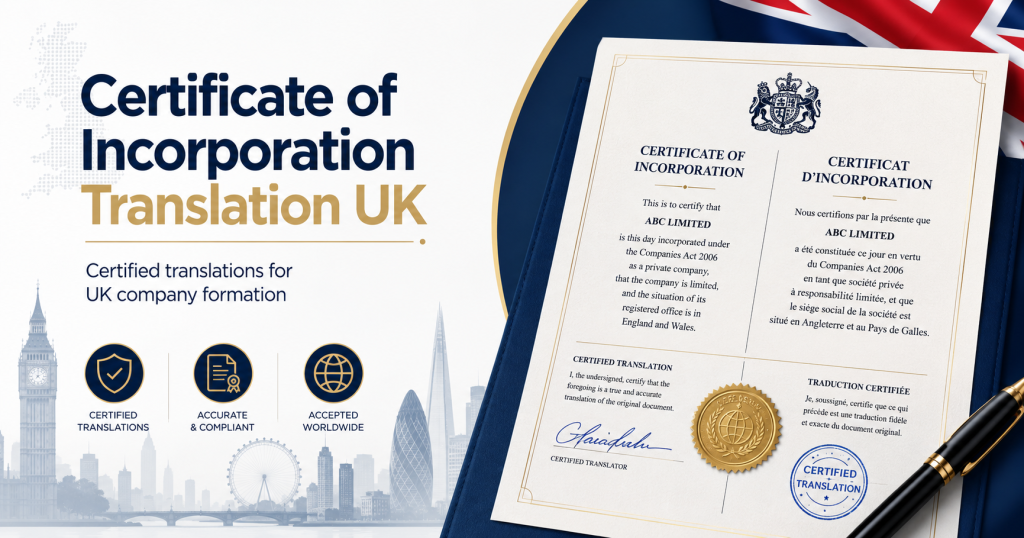
Understanding the Certificate of Incorporation
The certificate of incorporation is a fundamental legal document that establishes a company as a separate legal entity from its owners. This document is essential for any business wishing to operate within the United Kingdom, as it provides proof that the company has been officially registered with Companies House, the UK’s registrar of companies. The importance of this document cannot be overstated; it serves as the foundation upon which a company is built, providing legitimacy and legal recognition in the eyes of the law.
A certificate of incorporation typically contains several key components, including:
- Company Name: The official name under which the company will operate, which must be unique and not similar to existing companies.
- Company Number: A unique registration number assigned by Companies House, which is used for identification purposes.
- Registered Office Address: The official address of the company where legal documents can be served.
- Type of Company: This indicates whether the company is a private limited company, public limited company, or another type.
- Date of Incorporation: The date on which the company was officially registered and recognized.
In addition to these components, the certificate of incorporation may also include details about the company’s directors and shareholders, providing a comprehensive overview of the business structure. This document is not only crucial for legal compliance but also plays a vital role in establishing credibility with clients, investors, and regulatory bodies.
Why Translation is Necessary for UK Company Formation
For foreign companies looking to establish a presence in the UK, translating the certificate of incorporation is a critical step in the company formation process. The UK has specific legal requirements that mandate all documents submitted to Companies House be in English. This requirement ensures that all parties involved in the registration process can fully understand the content and implications of the documents being submitted.
Failure to provide a properly translated certificate of incorporation can lead to significant consequences. For instance, if the translation is inaccurate or incomplete, it may result in the rejection of the application for incorporation. This can delay the establishment of the business and may incur additional costs for re-submission and further translation services. Moreover, inaccuracies in translation can lead to misunderstandings regarding the company’s structure, responsibilities, and legal obligations, potentially exposing the business to legal risks.
Additionally, accurate translations are essential for maintaining compliance with UK regulations. Regulatory bodies and financial institutions often require precise documentation to assess the legitimacy and operational scope of foreign entities. Thus, ensuring that the certificate of incorporation and other related documents are translated accurately is not just a legal formality but a crucial aspect of successful business operations in the UK.
Types of Translations for Company Formation Documents
When forming a company in the UK, several key documents may require translation, each serving a distinct purpose in the registration process. Understanding these documents and their specific translation needs is essential for ensuring compliance and smooth operations.
- Certificate of Incorporation Translation: As discussed, this document establishes the legal existence of the company. A certified translation is required to ensure that all details are accurately conveyed in English.
- Memorandum of Association Translation: This document outlines the company’s objectives and the scope of its activities. It is crucial that this translation captures the intent and specifics of the original document, as it defines what the company is legally allowed to do.
- Articles of Incorporation Translation: These articles govern the internal management of the company, detailing the rights and responsibilities of shareholders and directors. An accurate translation is vital to ensure that all parties understand their rights and obligations.
Each of these documents plays a pivotal role in the company formation process, and their accurate translation is essential for legal compliance and operational clarity. Engaging a professional translation service that specializes in legal documents is highly recommended to ensure that all nuances are preserved and the translations meet the required standards.
Choosing a Certified Translation Service
Selecting the right translation service is crucial for ensuring that your company formation documents are translated accurately and professionally. Here are some key factors to consider when choosing a certified translation service:
- Accreditation: Look for translation services that are accredited by recognized bodies such as the Institute of Translation and Interpreting (ITI) or the Chartered Institute of Linguists (CIOL). Accreditation ensures that the translators are qualified and adhere to industry standards.
- Experience with Legal Documents: Choose a service that has specific experience in translating legal documents. Legal terminology can be complex, and familiarity with the relevant laws and regulations is essential for accurate translations.
- Client Reviews and Testimonials: Research client feedback and testimonials to gauge the reliability and quality of the service. Positive reviews can provide insight into the service’s ability to meet deadlines and deliver high-quality translations.
- Confidentiality Agreements: Ensure that the translation service has strict confidentiality policies in place to protect sensitive business information.
- Turnaround Time: Consider the service’s ability to meet your deadlines. Many companies require quick translations to facilitate timely registration, so inquire about their turnaround times.
Using certified translators not only ensures accuracy but also provides peace of mind that the translations will be accepted by regulatory bodies and other stakeholders. A reliable translation service can help streamline the company formation process and prevent costly delays.
The Translation Process Explained
The translation process for a certificate of incorporation and other company formation documents typically involves several key steps to ensure accuracy and compliance with legal standards:
- Document Submission: Begin by submitting the original documents to the translation service. Ensure that all necessary documents are included to avoid delays.
- Initial Assessment: The translation service will assess the documents to understand the context and specific requirements for translation. This step is crucial for determining the complexity and potential challenges of the translation.
- Translation: A qualified translator will begin the translation process, ensuring that all legal terminology and nuances are accurately conveyed in English.
- Quality Assurance: After the initial translation, a second translator or editor will review the document for accuracy and consistency. This step is essential for catching any errors or misinterpretations.
- Certification: Once the translation is finalized, the service will provide a certificate of translation accuracy, which verifies that the translation is a true and accurate representation of the original document.
- Delivery: The completed translation will be delivered to you, either electronically or in hard copy, depending on your preference and the requirements of the regulatory body.
Common challenges in the translation process include dealing with complex legal jargon, ensuring cultural nuances are respected, and adhering to specific formatting requirements. To overcome these challenges, it is advisable to work closely with your translation service, providing them with any necessary context or clarification regarding the documents.
Cost Factors in Certificate of Incorporation Translation
The cost of translating a certificate of incorporation can vary significantly based on several factors. Understanding these cost factors can help you budget effectively for your translation needs:
- Document Length: The longer the document, the higher the cost. Translation services typically charge per word or per page, so it’s essential to consider the length of your documents.
- Complexity of Content: Documents with complex legal terminology or specialized content may require more time and expertise to translate, which can increase costs.
- Turnaround Time: If you require expedited services, be prepared to pay a premium for faster delivery. Many translation services offer rush options for urgent needs.
- Additional Services: If you require additional services such as notarization or apostille, these will also incur extra costs. Be sure to inquire about all potential fees upfront.
On average, businesses can expect to pay anywhere from £50 to £150 for the translation of a certificate of incorporation, depending on the factors mentioned above. It is advisable to obtain quotes from multiple translation services to compare prices and services offered.
How to Prepare Your Document for Translation
- Gather Necessary Information: Ensure that you have all relevant documents ready for translation. This includes the original certificate of incorporation, memorandum of association, articles of incorporation, and any other supporting documents.
- Ensure Clarity: If the original documents contain any unclear sections or jargon, consider providing explanations or context to the translator. This will help them understand the intent and specific requirements of the translation.
- Formatting Considerations: Be mindful of the formatting of the original documents. If the documents need to be translated in a specific format (e.g., maintaining original layout), communicate this to your translation service.
- Check for Completeness: Before submitting, double-check that all pages and sections of the documents are included. Missing pages can lead to incomplete translations and potential delays.
By taking the time to prepare your documents thoroughly, you can ensure a smoother translation process and reduce the likelihood of errors or misunderstandings.
Common Mistakes to Avoid in Document Translation
- Overlooking Legal Terminology: Legal documents often contain specific terminology that must be translated accurately. Failing to do so can lead to misunderstandings and legal complications. Always ensure that the translator is experienced with legal language.
- Neglecting Cultural Nuances: Different cultures may interpret legal concepts differently. It is crucial to ensure that the translation respects these cultural nuances to avoid misinterpretation.
- Using Non-Certified Translators: Attempting to save costs by using non-certified translators can lead to inaccuracies and rejections by regulatory bodies. Always opt for certified translation services to ensure compliance.
- Ignoring Formatting Requirements: Regulatory bodies may have specific formatting requirements for submitted documents. Failing to adhere to these can result in delays or rejections.
By being vigilant and ensuring that these common mistakes are avoided, you can enhance the accuracy and effectiveness of your document translations, ultimately facilitating a smoother company formation process.
Conclusion: Ensuring Accurate Translations for Business Success
Frequently Asked Questions
What is a certificate of incorporation?
A legal document that establishes a company as a separate entity.
Why do I need a certified translation for my incorporation documents?
To meet legal requirements for company registration in the UK.
How long does it take to translate a certificate of incorporation?
Typically ranges from a few days to a week, depending on the service.
What are the costs associated with translating a certificate of incorporation?
Costs vary based on document length and complexity; inquire with translation services.
Can I translate the certificate of incorporation myself?
It’s recommended to use a certified translator to ensure accuracy and legal compliance.