How to Translate Company Documents for Overseas Banking
Opening a business bank account abroad rarely stalls because a company has no paperwork. It usually stalls because the paperwork is incomplete, unclear, or translated in a way that makes compliance officers ask more questions. When you need company documents translation for bank use, the real goal is not simply to convert text from one language into another. The goal is to produce a clean, credible, submission-ready corporate pack that proves who the company is, who controls it, who can sign, and what authority they have.
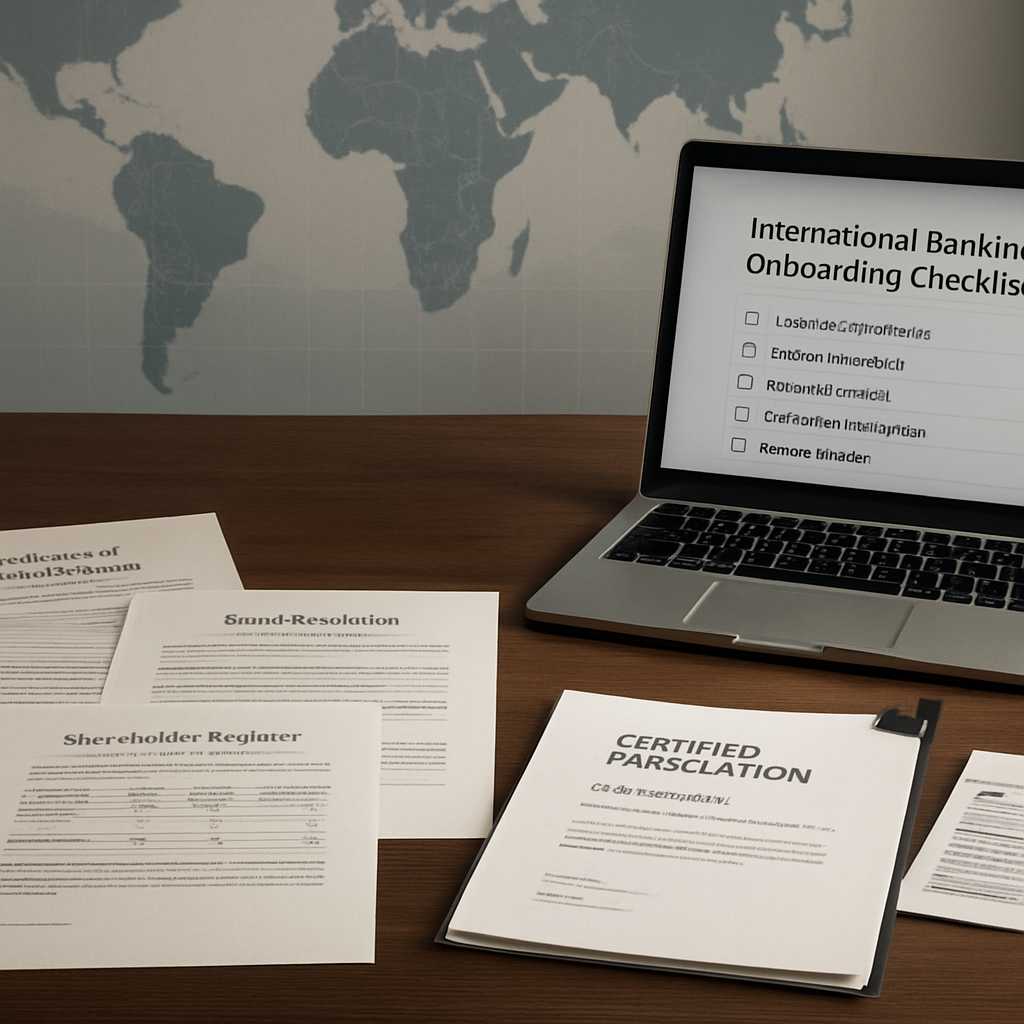
That is why the safest approach is to translate the whole banking file, not just one headline document. In many cases, that means a certificate of incorporation translation, articles or memorandum translation, board resolution translation, shareholder and director records, signatory ID pages, and any supporting compliance packs the overseas bank has asked for.
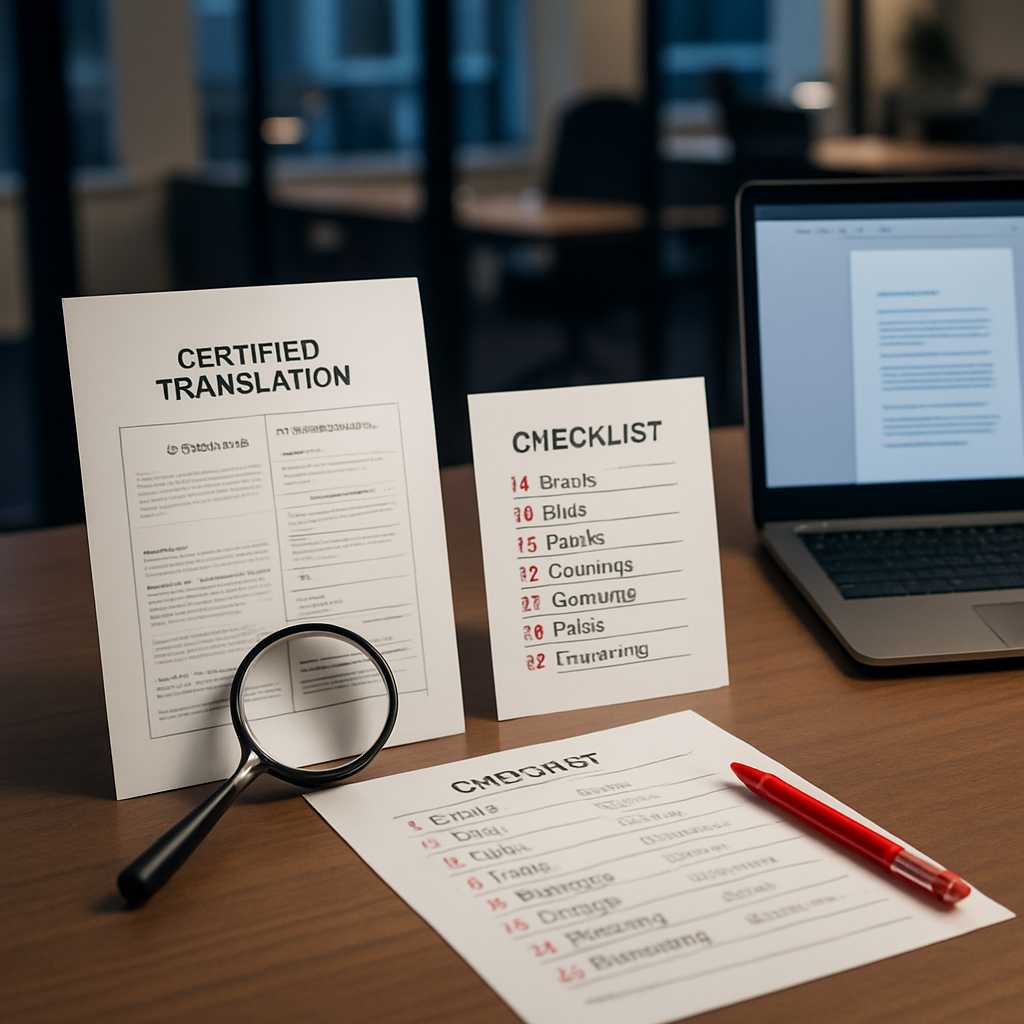
If you are under a deadline, send the full pack and the bank’s checklist together from the start. That is the fastest way to avoid rework, reduce follow-up questions, and get a translation package that is ready for review.
What Overseas Banks Are Really Checking
Most overseas banking requests boil down to five questions:
- Does the company legally exist? The bank wants to see the company’s official formation details, registration number, jurisdiction, and date of incorporation.
- Who owns or controls the business? This is where shareholder documents, registers, company extracts, and beneficial owner information matter.
- Who is allowed to open and operate the account? If the signatory powers are not obvious from the constitutional documents, the bank may ask for a board resolution or power of attorney.
- What does the business do? Some banks want a business plan, company profile, invoices, contracts, or source-of-funds evidence to understand the nature of the activity.
- Is the file internally consistent? The company name, registration number, directors, addresses, dates, and signatures must match across the full set.
That last point is where many applications slow down. A bank may receive a perfect certificate of incorporation translation, then spot a mismatch between the board resolution, the shareholder register, and the passport of the authorised signatory. One inconsistency can trigger a new round of requests.
Which Company Documents Usually Need Translation for Bank Use
Every bank has its own checklist, but these are the documents most often involved in overseas banking files.
Certificate of Incorporation Translation
This is usually the foundation document. It confirms the legal existence of the company and should be translated exactly as presented, including:
- registered company name
- registration number
- incorporation date
- jurisdiction
- issuing authority
- seals, signatures, stamps, and reference numbers
Do not rewrite the company name into a more natural English version unless an official translated form already exists. The safer method is to preserve the legal name exactly and translate the surrounding content faithfully.
Articles, Memorandum, or Constitution
A bank often needs the constitutional documents because they show how the company is structured and who holds authority. These documents are dense, but they matter. A proper certified corporate translation should preserve:
- defined terms
- clause numbering
- director powers
- share classes
- signing rules
- amendment references
- schedules and annexes
This is not the place for summary translation. Banks and legal teams often need clause-level clarity.
Board Resolution Translation
A board resolution translation is frequently the missing piece in overseas banking. If the constitutional documents do not clearly grant the signatory power to open and operate the account, the resolution becomes essential.
For banking use, the translation should make it easy to verify:
- the date of the resolution
- the legal name of the company
- the bank name, if specified
- the names of authorised signatories
- the exact powers granted
- whether the authority covers opening, operating, and closing the account
- signatures, titles, and meeting details
Where a resolution refers to attached schedules or appendices, translate those as well. Leaving them out creates avoidable doubt.
Shareholder and Director Records
These often sit inside the wider compliance pack and are easy to underestimate. Depending on the jurisdiction, the bank may ask for:
- register of directors
- register of shareholders
- share certificates
- company extracts
- incumbency certificates
- proof of beneficial ownership
These documents are not “background paperwork.” They are often central to onboarding.
Power of Attorney
If someone other than the core directors is opening or operating the account, a translated POA may be required. In these cases, precision matters even more than speed. The bank needs to see the scope of authority clearly.
Financial and Supporting Compliance Documents
Some overseas banking applications also involve:
- business plans
- company profiles
- invoices or contracts
- source-of-funds evidence
- bank statements
- proof of business address
- tax or registration documents
- licences or permits
These supporting documents are where weak translation can cause practical delays. A compliance officer does not just need readable text. They need to cross-check names, dates, addresses, transaction logic, and operational context quickly.
The Smarter Rule: Translate the Decision Chain, Not Just the First Page
A useful way to think about company documents translation for bank submissions is this: Translate every document the reviewer needs in order to approve identity, ownership, authority, and purpose.
That usually means translating the decision chain from company creation to account authority:
- formation document
- governing document
- ownership evidence
- director or signatory evidence
- authority document
- supporting compliance documents
This is why partial translation so often backfires. A client translates the certificate of incorporation, but the bank still cannot verify who controls the company or who can sign. Then the request expands, deadlines tighten, and the file becomes more expensive and slower than it needed to be.
What Makes a Banking Translation Acceptable
A bank-ready translation is not just accurate in language. It is accurate in presentation, structure, and compliance logic.
1. It Is Complete
Every visible part of the original should be accounted for, including:
- stamps
- seals
- signatures
- handwritten notes
- barcodes or QR references where relevant
- footnotes
- margin notes
- annex titles
- tables
If something is illegible, it should be marked clearly, not guessed.
2. It Mirrors the Original Structure
Corporate and banking reviewers work faster when the translation follows the source layout. Clause numbering, headings, tables, signature blocks, and page order should stay easy to compare.
3. Names and Numbers Stay Consistent
This sounds obvious, but it is one of the most important quality checks in a banking file. The legal company name, registration number, date formats, director names, passport spellings, and share figures should align across the full set.
4. It Comes with a Proper Certification Page
For many overseas uses, a certified corporate translation should include a signed statement confirming that the translation is complete and accurate. Where the receiving bank asks for additional formality, notarisation or a sworn format may also be needed.
5. It Is Tailored to the Destination Bank
“Official translation” is not a universal standard. One bank may accept a certified translation on company letterhead. Another may ask for notarisation. Another may want the original documents legalised or apostilled before the translated set is submitted.
The best results come from checking the bank’s wording first, then matching the translation pack to that instruction.
Certified, Notarised, Sworn, or Apostilled?
These terms are often mixed together, but they do not mean the same thing.
Certified Translation
This is usually the baseline for company documents translation for bank submissions. It normally includes the translation plus a signed statement confirming accuracy and completeness.
Notarised Translation
This is often needed when the recipient wants extra formal verification linked to the certification. It adds a notarial step to the translation pack.
Sworn Translation
Some countries only recognise translations produced in a sworn format by an authorised sworn translator. This depends on the destination country, not the source country.
Apostille or Legalisation
This is not a substitute for translation. It is a separate authentication route for documents that need cross-border recognition. In some cases, the bank may require legalisation of the original or notarised document before the translated pack is submitted.
The safest instruction to follow is the bank’s own checklist. If the bank has not specified the format clearly, ask before ordering.
How to Prepare a Banking Compliance Pack Without Wasting Time
Get the Bank’s Checklist in Writing
Email is better than verbal instructions. A short written list reduces guesswork and helps the translation team confirm exactly what needs to be translated.
Send the Full Set at Once
Do not drip-feed documents one by one unless you truly have no choice. Translating the full pack together improves consistency across names, dates, clauses, and corporate terminology.
Include the Destination Country and Bank Name
A board resolution for one country may not be framed the same way as one for another. The destination matters.
Flag Urgent Pages
If you are against the clock, prioritise the documents the bank needs first. A phased delivery can be smart, but only if the sequence is planned properly.
Say Whether the Company Has Layered Ownership
Where there is a parent company, nominee arrangement, offshore entity, or multi-level ownership structure, mention it early. These files often require extra corporate documents and careful consistency checks.
Ask for a Submission-Ready Pack
For overseas banking, presentation matters. It helps when the delivered file is cleanly named, logically ordered, and easy to forward to legal counsel or compliance officers.
The Mistakes That Cause the Most Delays
Translating Only the Certificate of Incorporation
This is the classic mistake. It proves legal existence, but not necessarily ownership or signatory authority.
Omitting Annexes, Schedules, or Amendment Pages
Banks do not like gaps in authority chains. Missing schedules can make a complete pack look incomplete.
Treating Company Names Loosely
A translated version of a trading name is not the same as the legal registered name. Preserve the legal identity exactly.
Leaving Stamps, Signatures, or Handwritten Notes Untranslated
These are often the small details reviewers use to verify that the file is complete.
Using Inconsistent Spellings Across the Pack
One director name spelled three different ways across the passport, board resolution, and shareholder record can slow the whole review.
Guessing Whether Notarisation or Apostille Is Needed
This should be confirmed, not assumed.
Sending Poor Scans
If the original is cropped, blurred, shadowed, or incomplete, even the best translator cannot produce a strong final pack. A high-resolution PDF with all corners visible is the safest option.
A Practical Example
Imagine a UK company opening an account overseas for international trading. The company sends only its certificate of incorporation for translation. The bank comes back asking for:
- articles or memorandum
- register of shareholders
- register of directors
- business plan
- passport of the authorised signatory
- board resolution authorising the account opening
At that point, the issue is not translation quality. The issue is incomplete file planning. A better route would have been to send the full company pack from the start, ask for the certification level to be matched to the destination bank, and keep all names and authority references aligned across the entire set. That saves time, reduces revision risk, and gives the compliance team fewer reasons to pause the application.
What to Send for the Fastest Review
To get a faster, cleaner quote and avoid multiple revision rounds, send:
- the full company pack
- the bank’s document checklist or email instructions
- the destination country
- the target language
- the deadline
- whether the bank mentioned certified, notarised, sworn, or apostilled translation
- whether there are parent companies, UBO documents, or layered entities involved
If some pages are missing, say so immediately. It is better to identify a gap before the translation starts than after the bank flags it.
Why This Work Should Be Handled Like Legal Documentation, Not Generic Admin
Company documents for overseas banking sit at the point where legal identity, compliance review, and practical onboarding meet. That means the translation needs more than language fluency. It needs disciplined handling of:
- corporate terminology
- authority wording
- clause structure
- ownership references
- formatting integrity
- cross-document consistency
That is why business clients usually get better outcomes when the translation is handled as a corporate compliance pack, not as a collection of unrelated pages. If your bank submission includes a certificate of incorporation translation, board resolution translation, shareholder evidence, and supporting compliance packs, send the whole file for review before ordering. It is the simplest way to reduce back-and-forth and move from “documents translated” to “documents ready to submit.”
A Faster Way to Avoid Rejection
Before you place the order, gather the full set, check that every page is readable, and include the bank’s instructions with your upload. That one step does more to prevent delay than rushing a partial translation.
For urgent files, the best approach is to prioritise the authority documents first, then complete the wider compliance pack in a controlled second stage if needed. That keeps momentum without sacrificing accuracy.
When the file is prepared properly, overseas banking becomes much easier: the reviewer can see the company exists, the ownership is clear, the signatory authority is documented, and the translation pack is ready to rely on.
FAQ
Do banks accept certified translation of company documents?
Many banks will accept a certified translation of company documents, but acceptance depends on the destination bank and jurisdiction. Some want a standard certified corporate translation, while others may also require notarisation, sworn translation, or legalisation.
What company documents should be translated for overseas banking?
For overseas banking, the most commonly translated documents are the certificate of incorporation, memorandum or articles, board resolution, shareholder and director records, signatory ID pages, and supporting compliance packs such as business plans or proof-of-funds documents.
Do I need a board resolution translation for a bank account opening?
You may need a board resolution translation if the bank must see clear written authority showing who can open, operate, or close the account. This is especially important when the constitutional documents do not make those powers obvious.
Is certificate of incorporation translation enough for bank compliance?
Usually not. A certificate of incorporation translation proves the company exists, but it may not prove ownership, control, or signatory authority. Many banks need a wider pack.
Do I need notarised or apostilled translation for company documents translation for bank use?
Only if the receiving bank or jurisdiction specifically asks for it. A certified translation is often the starting point, but some overseas banking files require additional formalities.
How fast can company documents translation for bank submissions be completed?
Timing depends on the size of the pack, language pair, scan quality, and whether legal or compliance-heavy documents are involved. Small files can move quickly, but layered corporate packs should be reviewed as a full set before promising a deadline.