Do You Need to Translate Stamps, Seals and Handwritten Notes?
Yes, in many cases you do. If a stamp, seal, handwritten note, margin comment, registry mark, approval note, or side annotation appears on a document you are submitting, it should usually be translated or clearly described in the certified translation. This is especially important when the mark contains dates, authority names, reference numbers, filing notes, or evidence that the document was issued, registered, approved, amended, or received.
This is where many submissions go wrong. People focus on the main body text and ignore the small details around it. However, on official documents, the small details are often part of the record.
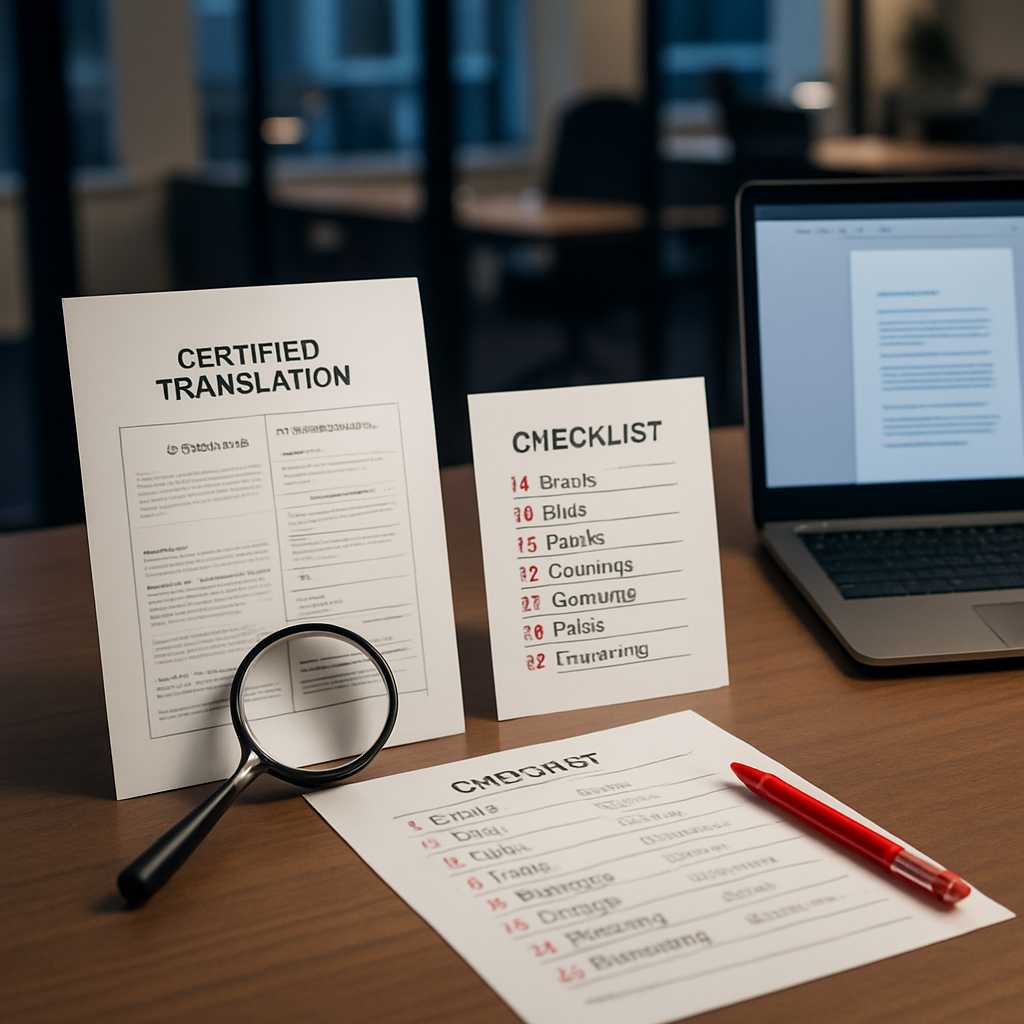
If you are preparing documents for immigration, visa, court, academic, employment, or official use, the safest approach is simple: translate the whole document, not just the obvious parts. On official documents, the main text tells the story, while the stamps, seals, and handwritten notes often prove that the story is real. When you need the translation prepared properly the first time, send a clear scan and get the full document reviewed before submission.
The Short Answer
Here is the practical rule most applicants should follow: translate all visible non-English text that appears on the document. Do not ignore stamps, seals, side notes, handwritten entries, or margin comments. If something cannot be read clearly, mark it honestly as illegible rather than guessing. If an element is visual rather than textual, describe it briefly in square brackets. Keep the translation easy to compare against the original. This approach reduces the risk of a rejection, a request for a revised translation, or a delay at the point of submission.
Why Stamps, Seals and Notes Matter More Than People Think
A stamp or handwritten note may seem minor, but it often carries crucial information such as:
- issuing authority
- registration office
- filing date
- case number
- approval status
- amendment note
- cancellation mark
- receipt confirmation
- witness or clerk notation
- authentication language
For instance, on a birth certificate, that could be the registrar’s office and date of issue. On a bank statement, it could be the branch stamp that confirms the statement was issued by the bank. On a court order, it might be the court seal, filing stamp, and handwritten case update. On an academic certificate, it may be the ministry stamp or a handwritten validation note. Omitting these details can make the translation appear incomplete, even when the main body has been translated correctly.
What Should Usually Be Translated
Stamps and Seals
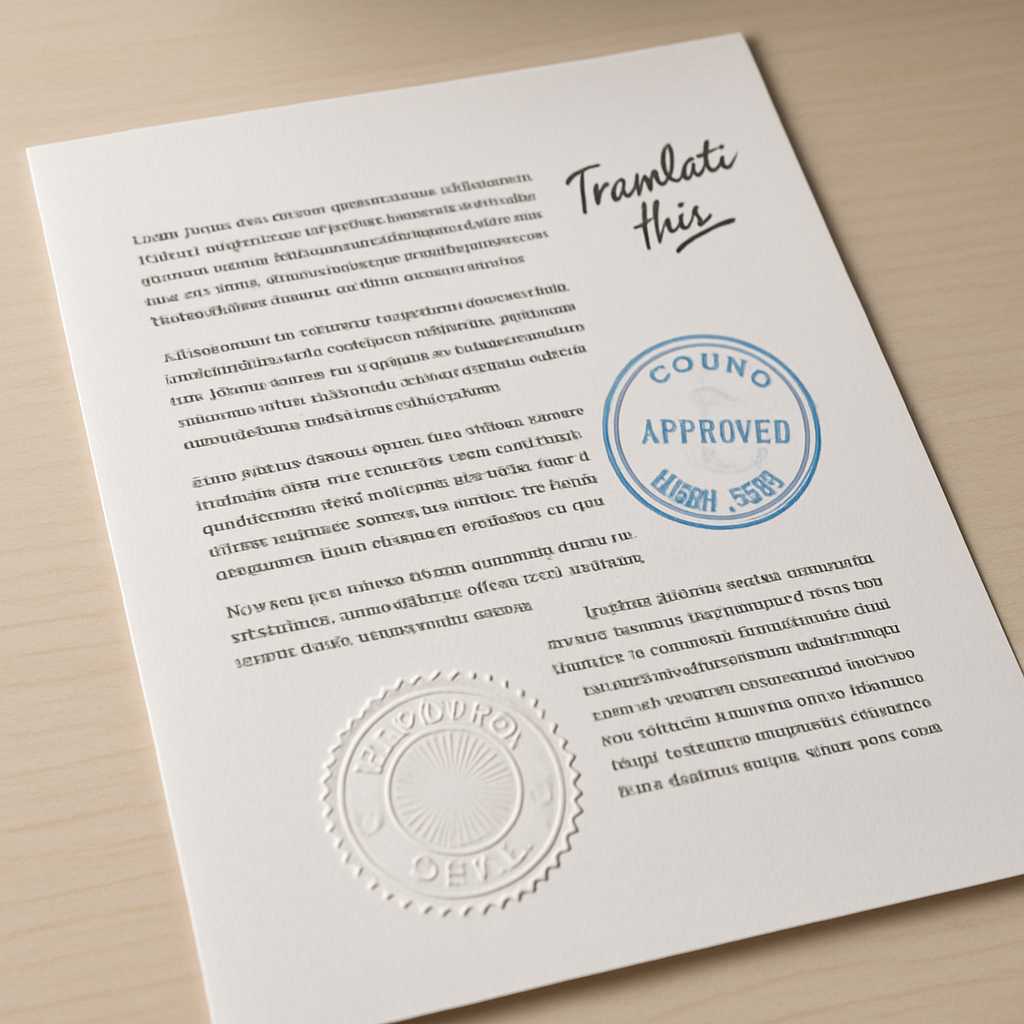
Translate the text inside or around the stamp or seal when it can be read. Examples include:
- [Round stamp: Civil Registry Office, Sofia, 12 May 2024]
- [Blue rectangular stamp: Ministry of Education, Approved]
- [Embossed seal: District Court of Milan]
If the seal is embossed and partly unreadable, say so clearly, for example: [Embossed seal, partially legible: “…Court…”].
Handwritten Notes
Handwritten entries should be translated when they carry meaning, even if they are short. Examples include:
- registrar notes
- margin corrections
- officer initials beside an amendment
- handwritten issue dates
- handwritten approval or refusal notes
- short explanatory notes added after issue
Examples of good handling include:
- [Handwritten note: corrected on 14/09/2023]
- [Handwritten entry: duplicate issued]
- [Handwritten note illegible]
Marginalia
Marginalia translation matters when notes appear in the margin, top edge, footer area, or reverse side of the page. This includes:
- side notes
- file references
- archive numbers
- routing notes
- stamped observations
- handwritten remarks beside names, dates, or signatures
If it is on the page and part of the document submitted, it should be assessed, not ignored.
Headers, Footers and Back-Page Marks
People often miss:
- letterheads
- footer references
- back-page registry marks
- barcoded text
- tax stamps
- fine-print validation language
- receipt stamps on reverse pages
A strong certified translation checks the full page set, not only the front of page one.
What Does Not Usually Need a Word-for-Word Translation
Not everything needs to be forced into a literal line of translated text. Here is the practical distinction:
| Element | Usually Needed | Best Handling |
|---|---|---|
| Non-English stamp text | Yes | Translate or describe in brackets |
| Non-English seal text | Yes | Translate or describe in brackets |
| Handwritten note with meaning | Yes | Translate, or mark as illegible if unreadable |
| Purely decorative emblem with no text | Often no literal translation | Brief description if relevant |
| Signature alone | Usually no | Leave as signature, but translate printed name/title nearby if present |
| Initials with no explanatory value | Sometimes | Retain if part of the record |
| Barcode with no visible text | Usually no | Mention only if relevant |
| English stamp already in English | Usually no retranslation | Keep as is or note presence if useful |
The safest mindset is not “Can I leave this out?” but “Would a reviewer want to know this is there?”
How Certified Translations Usually Show Stamps and Notes
A professional certified translation does not pretend a stamp is body text. It labels the element clearly so the reviewer understands what it is. Common presentation methods include square-bracket notes such as:
- [Stamp: Registered at Municipal Office No. 4]
- [Seal: Ministry of Justice]
- [Handwritten note: copy issued on request]
- [Illegible handwritten note]
- [Signature]
- [Official crest]
This makes the document readable and transparent. It also helps the person reviewing the file compare the translation to the source document quickly.
The Biggest Mistakes That Cause Avoidable Delays
Only Translating the Main Body
This is the most common problem. The certificate text is translated, but the issue stamp, registry note, or filing mark is missing.
Guessing at Difficult Handwriting
If the handwriting is unclear, it should be marked as partially legible or illegible. Guessing creates risk.
Ignoring the Back of the Document
Many official records have validation marks, stamps, endorsements, or notes on the reverse side.
Treating Signatures, Stamps and Notarisation as the Same Thing
They are not the same. A government stamp on the original document is one thing; certification of the translation is another. Notarisation or apostille may be a further step, depending on where the translated document will be used.
Submitting a Poor Scan
A blurred scan leads to unreadable stamps, partial seals, and uncertain handwritten notes. Good translation starts with a clear image. If your document contains faint stamps, overlapping seals, or messy handwritten entries, upload the clearest version available before work begins.
Real Examples of What Should Be Handled
Birth Certificate
Often includes:
- civil registry stamp
- registrar signature block
- handwritten issue entry
- margin amendment
- duplicate or extract note
A complete translation should capture those items, not just the child’s name, date of birth, and parent details.
Marriage Certificate
Often includes:
- issue seal
- registrar office stamp
- handwritten registration number
- side note relating to divorce, correction, or later annotation
These details can be highly relevant for visa, surname, and family record checks.
Bank Statement
Often includes:
- branch stamp
- officer note
- issue confirmation
- handwritten tick or initials
- reference code
If the statement is being used as evidence, those marks may help show authenticity and issue source.
Court Order
Often includes:
- court seal
- filing stamp
- hearing date note
- clerk comment
- handwritten procedural notation
Ignoring these can make the translation look incomplete or stripped of procedural context.
Academic Certificate or Transcript
Often includes:
- ministry seal
- faculty stamp
- handwritten validation
- archive number
- annotation confirming duplicate issue
These details frequently matter for admissions, credential review, and licensing.
What If the Stamp or Note Is Already in English?
If the text is already in English, it usually does not need translating again. However, it may still need to be preserved in the formatting or acknowledged if it helps the reader understand the page. For example:
- An English-language bank stamp on an otherwise foreign-language statement may not require translation.
- A bilingual seal may only need the non-English element rendered clearly.
- An English “received” stamp may simply remain as shown.
The key is completeness and clarity, not unnecessary duplication.
What If the Handwriting Cannot Be Read?
Do not guess. The correct approach is to mark the note honestly, such as:
- [Handwritten note illegible]
- [Partially legible handwritten note: “…issued…”]
This is far better than inventing text that was never clearly visible on the source document. If the note appears important, a better scan may be needed before certification is finalised.
Certified, Notarised, and Apostilled: Where People Get Confused
A frequent misunderstanding is that if a document has a seal, or if a translation is stamped, nothing else matters. In practice, these are different layers:
- The original document may contain stamps, seals, signatures, and handwritten notes.
- The translation must reproduce or describe those details accurately.
- The certification confirms the translation is true and accurate.
- Notarisation may add an extra layer of formal verification.
- Apostille/legalisation may be required for use abroad, depending on the receiving authority.
So even when a document is later notarised or apostilled, the underlying translation still needs to be complete.
A Simple Rule Clients Can Remember
If it is visible, relevant, and part of the document you are submitting, it should be reviewed for translation. That includes:
- stamps
- seals
- handwritten notes
- side annotations
- margin comments
- fine print
- back-page endorsements
- issue marks
- reference numbers
- approval markings
This is one of the clearest differences between a careful certified translation and a risky shortcut.
What a Strong Translation Provider Should Do for You
A good provider should not wait for you to point out every stamp and side note manually. They should review the full document and identify:
- visible stamps and seals
- handwritten notes and edits
- margin annotations
- missing pages
- reverse-side marks
- poor scan issues
- whether certification alone is enough
- whether notarisation or legalisation may also be needed
This review stage saves time and reduces costly rework. If you have a document with faint stamps, overlapping seals, or handwritten marginalia, send it for review before filing. A fast check now is better than a rejection later.
Why Clients Choose Urgent Certified Translation UK for This Type of Work
Official documents are rarely just plain text on a clean page. They include formatting, stamps, seals, signatures, issue notes, and submission-sensitive details that need careful handling. Urgent Certified Translation UK is built around exactly that kind of work: certified translations for official use, careful formatting, signed certificates of accuracy, support for notarised requirements where needed, and urgent turnaround for time-sensitive submissions.
When your document contains tricky details in the margins, not just the centre of the page, accuracy matters even more. Upload the file, get it checked properly, and move forward with a translation prepared for official use.
FAQs
Do You Need to Translate Stamps and Seals on Official Documents?
Usually yes, if the stamp or seal contains non-English text or carries information relevant to the document’s issue, filing, registration, approval, or authenticity. A complete translation should not ignore these elements.
Do Handwritten Notes Need to Be Included in a Certified Translation?
Yes, if the handwritten note forms part of the submitted document and carries meaning. That includes margin notes, issue dates, amendments, registrar comments, and short validation notes.
How Should a Translator Show Stamp Translation Notes?
The clearest method is usually a labelled bracket note, such as [Round stamp: Civil Registry Office] or [Handwritten note: corrected on 12 June 2024]. This keeps the translation readable and transparent.
What If the Stamp or Handwritten Note Is Illegible?
It should be marked honestly as illegible or partially legible. A professional translator should never guess at unclear text on an official document.
Do Signatures Need to Be Translated?
A signature itself is usually not translated as body text, but any printed name, title, stamp text, or handwritten note beside it may need to be translated or described.
Is Marginalia Translation Really Necessary?
Yes, sometimes. Marginalia translation can matter when side notes, filing marks, corrections, or archive references affect how the document is understood or verified.