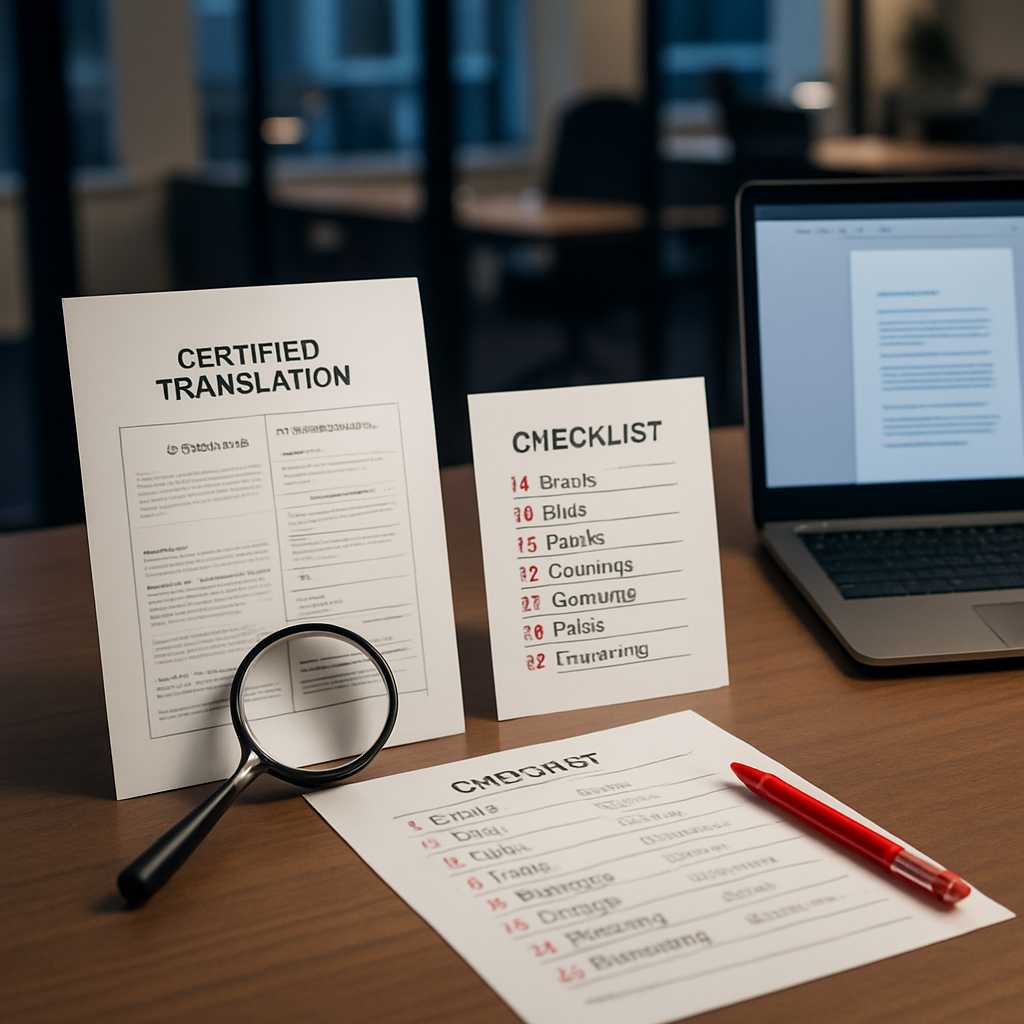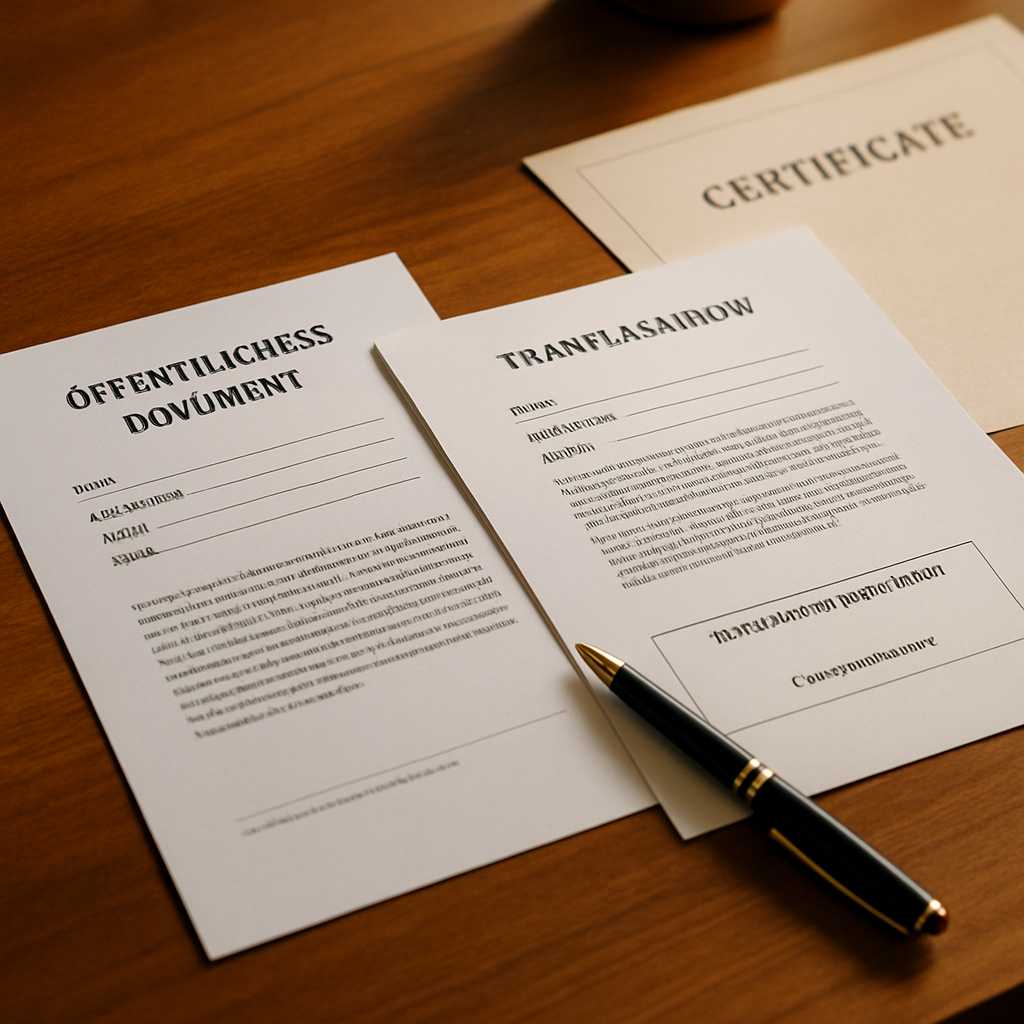
1. Understanding Stamped Certified Translation
Many individuals seek a stamped certified translation in the UK, often desiring a document that appears official, feels complete, and is readily accepted. While this request is understandable, it can lead to confusion. In numerous UK scenarios, the stamp itself is not the most critical element; rather, it is the certification that accompanies it. This includes a complete translation, a clear statement of accuracy, the correct contact information, the date, and a signature that ensures the translation can be verified.
Consequently, two individuals may request a “stamped translation” but mean entirely different things. One might need a standard certified translation for a visa application, while another may require a notarised translation for use abroad. Others may simply want a certificate page attached to lend a formal appearance to the document.
The best approach is to remember that while a stamp can enhance presentation and meet acceptance expectations, it cannot replace the necessity for proper certification.
2. The Quick Answer
When searching for stamped certified translation in the UK, most people are referring to a certified translation that includes a formal certification statement and may also feature a company stamp or seal.
Typically, what matters most is that the translation contains:
- A full and accurate translation of the original document
- A certificate page or certification statement
- The translator’s or agency representative’s name
- A signature
- The date of certification
- Contact details
- Clear handling of names, dates, stamps, seals, and handwritten notes from the source document
A company stamp can enhance presentation, especially when the receiving organisation expects a formal-looking document. However, a stamp alone does not make an incomplete or poorly certified translation acceptable.
3. Why “Stamped Translation” Means Different Things to Different People
The term “stamped translation” is commonly used because it sounds practical. Most individuals are not intentionally misusing the term; they are simply describing the visual cue of an official document.
In casual conversations, “stamped translation” can refer to:
- A certified translation with a company stamp
- A signed translation with a certificate page
- A notarised translation
- A translation prepared for overseas legalisation
- Any translation that appears formal enough for an authority, court, employer, or university
This is where misunderstandings can occur. Someone might request a stamp when they actually need notarisation, or they might pay for notarisation when a standard certified translation suffices. Others may receive a stamped PDF, but the authority may require a signed certification statement and complete contact details.
While the wording may seem minor, it significantly impacts what you order, what you pay, and whether the document is accepted without delay.
4. What a Properly Prepared Translation Pack Usually Includes
An official translation is more than just the translated text; it constitutes a submission pack.
1) The Translated Document
The translation should accurately reflect the source material, including names, dates, places, headings, reference numbers, and any stamps, seals, signatures, side notes, or handwritten entries as necessary.
2) A Certificate Page or Certification Statement
This section confirms the translation’s accuracy and completeness. Some providers place this on a separate certificate page, while others include it at the end of the translated document. Both methods are acceptable as long as the certification is clear and comprehensive.
3) A Signature
A signature from the translator or agency representative lends credibility to the certification, indicating that a specific person or organisation stands behind the translation.
4) A Company Stamp or Seal
This is often what people think of when they mention a “stamped translation.” It can enhance acceptance expectations and lend a formal appearance to the pack. In some cases, it is specifically requested, while in others, it is simply beneficial.
5) Delivery in the Required Format
Some recipients prefer a PDF, while others may require a printed copy. For time-sensitive submissions, this distinction is as crucial as the certification level. To avoid reordering the same document, inform your provider not only about the document type but also about the recipient and whether you need digital delivery, hard copy, or both.
5. Common Terminology Confusions
| What People Say | What They Usually Mean | What to Order |
|---|---|---|
| Stamped translation | A certified translation with a formal certificate and often a company stamp | Certified translation, with stamp if requested |
| Signed translation | A translation signed by the translator or agency representative | Certified translation with signature |
| Certified translation | A translation prepared for official use with a statement of accuracy | Certified translation |
| Certificate page | The certification sheet attached to the translation | Certified translation with certificate page |
| Notarised translation | A certified translation where the signature is then verified by a notary or solicitor | Notarised translation |
| Apostilled translation | A document package intended for overseas recognition after legalisation | Translation plus legalisation route, depending on the document |
| Sworn translation | A country-specific official translation produced by a sworn translator | Sworn translation for the destination country, where required |
This is why simply asking, “Can you stamp it?” is not always sufficient. A more effective question is: “Who is this for, and what exactly do they require?”
6. What Receiving Bodies Usually Care About
Many acceptance issues stem from a common misunderstanding: people often assume the stamp is the requirement when, in fact, the real requirement is proof that the translation is reliable and verifiable.
Immigration and Visa Applications
For immigration-related submissions, the priority is typically completeness and verifiability. The translation should match the original, include necessary certification details, and be suitable for official review. While a company stamp can enhance presentation, the key issue is whether the translation pack contains the correct certification details. If your deadline is approaching, send the original file along with the submission requirements to facilitate confirmation of the correct certification level before work begins.
Passport and Identity Documents
For passports, ID documents, civil certificates, and supporting records, the greatest risks involve missing details, inconsistent names, and omissions on stamps or annotations. A properly prepared certified translation is more critical than decorative formality. A neat certificate page, signature, and contact details help demonstrate that the document is ready for official use.
Universities, Employers, and Professional Bodies
Academic and professional recipients often prioritize clarity, accuracy, and presentation. They require careful handling of names, grades, dates, institutions, and reference details. A company stamp can help meet acceptance expectations, especially when internal admissions or compliance teams are reviewing numerous international documents. However, the foundation remains accurate certification.
Courts, Solicitors, and Overseas Authorities
In legal or overseas contexts, the requirements can vary. Some uses necessitate a more formal chain of authentication. A stamp may be expected, and in some cases, notarisation or legalisation is required. This highlights the importance of confirming requirements before incurring costs for unnecessary add-ons.
7. When a Stamp Helps, and When It Does Not
A company stamp can be beneficial, but it is not the sole solution.
A Stamp Helps When:
- The receiving body specifically requests a stamp or seal
- The translation pack needs to appear formal and immediately recognisable
- The document is for legal, compliance, or international submission
- The original contains visible official markings, and the recipient expects careful formal presentation
- You wish to minimize back-and-forth regarding whether the translation is “official”
A Stamp Does Not Solve the Problem When:
- The translation is missing pages or sections
- Names or dates do not match supporting documents
- The certification statement is incomplete
- There is no signature
- There are no contact details
- The authority actually requires notarisation or apostille
- The wrong document version was translated
The key takeaway is straightforward: a stamp can support a certified translation, but it cannot replace proper certification.
8. The Certificate Page Matters More Than Many People Realise
People often focus on the stamp because it is visible. However, the certificate page typically performs the essential function.
A robust certificate page enhances the translation’s trustworthiness by informing the reviewer:
- What the document is
- Which language it was translated from and into
- That the translation is accurate
- Who is responsible for the certification
- When it was certified
- How the certifying party can be contacted
This is why a translation with a strong certificate page and signature can be more valuable than one with a stamp but weak certification wording. When ordering a stamped certified translation in the UK, always inquire about the certificate wording included and whether the certification is on a separate page or attached at the end of the translation.
9. The Biggest Acceptance Mistakes People Make
Many rejected or delayed submissions occur not because the translation was “not stamped enough,” but because the pack was incomplete or mismatched.
Missing Pages
Back pages, reverse sides, stamp pages, annexes, and note sections are often overlooked. If they are significant in the original, they may also be important in the translation.
Names That Do Not Match Across Documents
Name order, middle names, maiden names, and transliteration differences can lead to unnecessary complications, particularly with identity records and civil status documents.
Stamps, Seals, and Handwritten Notes Not Accounted For
Official markings do not always need to be reproduced as images, but they must be handled correctly in the translation.
No Certificate Page
A translation can be linguistically accurate yet fail submission if it lacks proper certification.
Ordering the Wrong Service Level
This is the most costly mistake. Many individuals pay for notarisation when they only needed certification, while others order a standard certified translation when the destination country truly requires a notary or legalisation step.
Poor Scans
A blurred or cropped source file creates problems from the outset. If a number, date, stamp impression, or handwritten note is unreadable, the translation process becomes slower and riskier. Before placing your order, send the clearest scan available and include any deadline or authority instruction. This saves time and avoids preventable corrections later.
10. Three Common Scenarios
A Birth Certificate for a UK Visa Application
In this case, the primary requirement is usually a complete certified translation with a proper certification statement, signature, date, and contact details. A company stamp may be included and can enhance the document’s formal appearance, but the core issue remains verifiable certification.
A Degree Certificate for University Admission
Here, presentation is crucial. The institution may require a clear certificate page, careful handling of names and grades, and a professional layout. A stamp may help meet acceptance expectations, but the larger priority is completeness and readability.
A Power of Attorney for Use Abroad
This scenario often catches people off guard. A standard certified translation may not suffice if the receiving country mandates notarisation or apostille. The issue is not the absence of a stamp; rather, the destination authority may expect an additional authentication step.
11. How to Order the Right Version the First Time
The simplest way to ensure you receive the correct translation is to move beyond the question of “Do I need a stamp?” and ask a more comprehensive set of questions.
Tell Your Translation Provider:
- What the document is
- Which country it will be used in
- Who will receive it
- The exact wording of any requirement you were given
- Whether you need PDF, hard copy, or both
- Your deadline
Ask These Three Questions Before Paying:
- Is certified translation enough for this submission?
- Do you want a stamp, or is a signed certificate page sufficient?
- Do I need notarisation or apostille as well?
This brief exchange can save money, prevent delays, and ensure you order the correct level of service the first time. If you are uncertain, upload your document along with the recipient’s wording. A quick requirement check before translation begins is often the fastest route to an accepted submission.
12. What You Should Receive at the End
A properly prepared stamped certified translation UK order should provide you with a document pack that is clear, formal, and ready for submission. This typically includes:
- The full translated document
- A certificate page or attached certification statement
- Signature
- Date
- Contact details
- Company stamp where requested or included
- Delivery in the format your recipient needs
You should not be left wondering whether the translation is “official enough.” A reputable provider clarifies this before delivery.
Final Word: Focus on the Certification, Not Just the Stamp
If someone mentions needing a stamped translation, do not assume they are mistaken. They are often using everyday language to refer to something specific: a certified translation that looks formal and will be accepted without dispute.
However, the safest approach is always to concentrate on what underlies the stamp. A strong certified translation is complete, accurate, clearly certified, signed, and easy for the receiving body to verify. While a stamp can indeed be beneficial, enhancing presentation and meeting acceptance expectations, it cannot replace the certification itself.
If you require a document translated for immigration, legal, academic, or business purposes, submit the file, specify who it is for, and request the appropriate certification level before the translation begins. This is the most straightforward way to obtain the correct document, avoid unnecessary upgrades, and advance your application with confidence.
13. FAQ Section
Is stamped certified translation UK the same as certified translation?
Often, yes. In many UK situations, “stamped translation” is simply a certified translation that also carries a company stamp or seal. The more crucial issue is whether the translation includes a proper certification statement, signature, date, and contact details.
Do I need a company stamp or just a translator signature?
This depends on the receiving body. A translator or agency signature is a core part of certification. A company stamp can help meet acceptance expectations and lend a formal appearance to the document pack, but it is not always the deciding factor.
Will a stamped translation be accepted for UK visa or Home Office use?
What typically matters most is that the translation is complete and can be independently verified. A company stamp may be included, but the key elements are the certification wording, date, signature, and contact details.
What is a certificate page on a stamped certified translation?
A certificate page is the section attached to the translation that confirms it is an accurate translation of the original. It usually includes the certification statement, date, signature, name, and contact details. Some providers place this on a separate page, while others include it at the end of the translated document.
Is a notarised translation the same as a stamped translation?
No. A stamped translation usually refers to a certified translation with a stamp or seal. A notarised translation adds a notary step to verify the signature of the translator or agency representative. They are not the same service.
When do I need apostille instead of just a stamped certified translation?
You may need an apostille when the document is being used overseas and the receiving authority requests legalisation. In that case, the issue is not merely whether the translation is stamped, but whether the document pack requires an additional authentication step for international recognition.