When probate translation is needed
Probate translation is commonly needed in the UK when:
- the deceased left a will in a foreign language
- the death certificate was issued outside the UK
- assets are located in more than one country
- a foreign court, notary, bank, or land registry needs an English grant translated into another language
- the estate includes supporting legal papers such as powers of attorney, inheritance certificates, court orders, tax records, or property deeds
- beneficiaries, executors, or solicitors need certified legal translation for formal review and filing
In practice, the request often starts with one document and grows quickly. A family may begin by ordering a will translation, then discover they also need a death certificate translation, a grant of probate translation, and certified translations of estate documents for a property transfer or overseas account closure. That is why probate translation UK services work best when the whole matter is reviewed together rather than document by document.
Which probate documents are most often translated
A strong probate translation service should be able to handle the full estate file, not just one certificate.
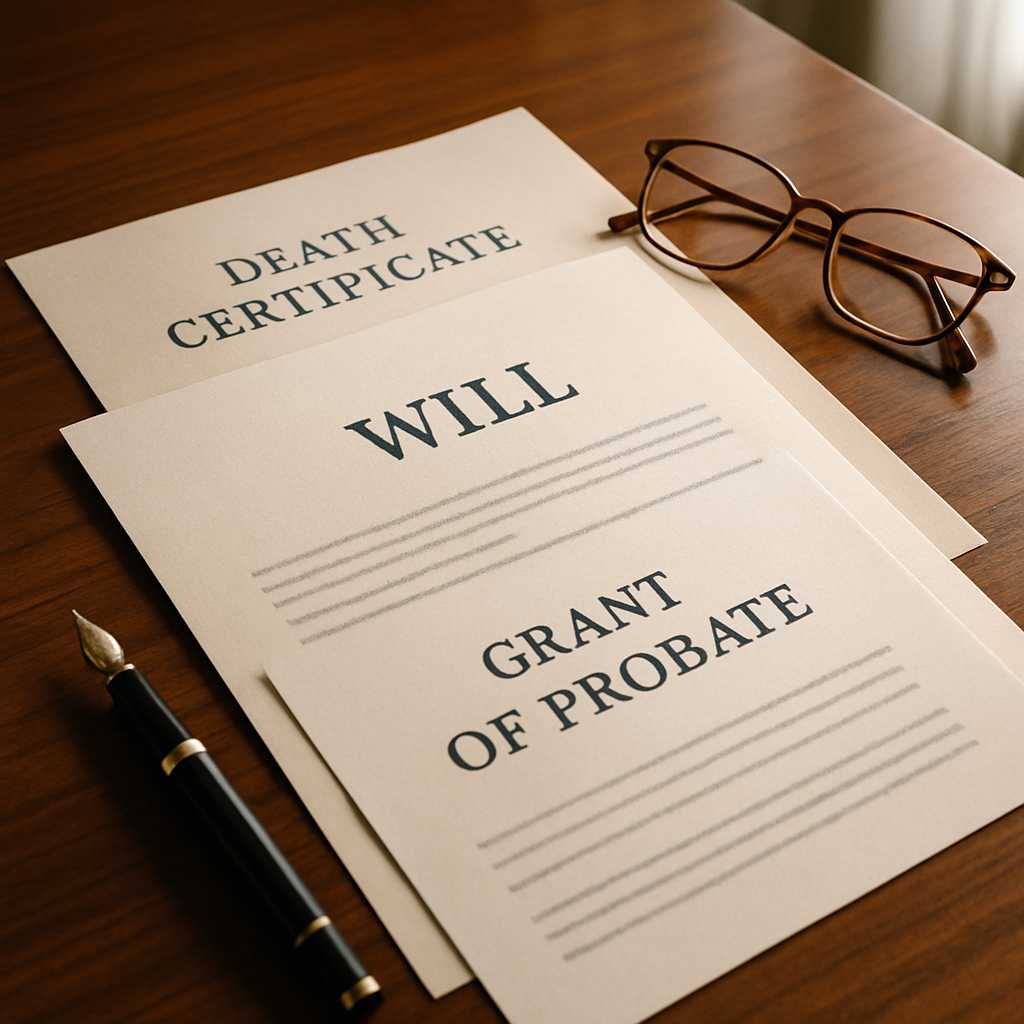
Core probate documents
These are the documents most often requested:
- wills and testaments
- codicils
- death certificates
- grants of probate
- letters of administration
- letters of executorship
- succession certificates
- inheritance certificates
- probate registry correspondence
- notarised statements
- affidavits and witness statements
- powers of attorney
Supporting estate documents
These are often needed once the file moves beyond the first application:
- property deeds
- mortgage papers
- bank statements and bank letters
- pension papers
- marriage certificates
- birth certificates
- divorce documents
- tax papers
- share certificates
- insurance documents
- court orders
- identity documents linked to beneficiaries or executors
A useful rule is simple: if the document helps prove death, identity, family relationship, ownership, authority, or entitlement, it may need to be translated as part of probate.
What kind of translation is usually required
Many families are unsure whether they need a certified, sworn, notarised, or apostilled translation. The answer depends on who will receive the document.
Certified translation
For most probate-related submissions in the UK, certified legal translation is the starting point. This is typically the right choice for wills, death certificates, grants, and estate documents being provided to solicitors, registries, or official bodies. A proper certification statement should make clear that the translation is true and accurate, and it should identify the translator and the date.
Sworn translation
Sworn translation is usually required for use in countries that recognise sworn translators as a legal category. It is not automatically needed just because the document is legal.
Notarised translation
Notarisation may be needed when the receiving authority wants an additional layer of verification over the translator’s identity or signature.
Apostille or legalisation
An apostille is not part of the translation itself. It is a separate authentication step that may be needed when a UK-issued document or a notarised document will be used abroad. The safest approach is this: start with certified translation, then confirm whether the receiving authority also wants notarisation or apostille. Ordering extra certification that no one asked for can waste both time and money.
How to translate a will properly
Will translation is where probate cases most often go wrong. A will is not just a list of gifts. It is a legal instrument built from names, clauses, witness wording, dates, signatures, revocation language, executor appointments, guardianship provisions, and sometimes handwritten amendments.
A will translation should include the full document
That normally means:
- the main body of the will
- every codicil
- witness clauses
- signatures
- stamps and seals
- handwritten notes or amendments
- annexes, schedules, and attachments
- crossed-out or replaced wording where it affects meaning
Translating only the “important pages” is risky. A short omitted line can change who inherits, who acts as executor, whether a later codicil overrides an earlier clause, or whether a property gift is still valid.
Legal meaning matters more than literal wording
A good will translation balances fidelity and legal clarity. It should not rewrite the will into modern plain English. It should preserve the legal effect of the original while making the wording understandable to the English-speaking recipient. This is especially important with:
- kinship terms
- marital status wording
- inheritance shares
- substitute beneficiary clauses
- property descriptions
- executor and trustee appointments
- references to local law or foreign legal forms
Formatting matters too
A probate will translation should reflect the source layout as closely as possible. Headings, clauses, numbering, initials, stamps, and notes should be easy to compare against the original. That helps solicitors and officials review the file faster, and it reduces the risk of queries about missing sections. If a will has a handwritten note in the margin, a notarial seal at the end, and a separate codicil dated years later, all three matter. Translating only the typed body of the will is one of the fastest ways to create avoidable delay.
How to translate a death certificate for probate
Death certificate translation sounds straightforward, but it is often one of the most sensitive and detail-heavy parts of the file.
What must be handled carefully
A death certificate translation should preserve:
- full legal name
- date of death
- place of death
- registration details
- certificate numbers or references
- cause-of-death wording where shown
- official stamps, watermarks, and registry notes
- names of parents, spouse, or informant where relevant
Small inconsistencies can trigger questions later. A missing middle name, a place name translated inconsistently, or a mismatch between the death certificate and the will can create extra review steps when the estate is already time-sensitive.
When foreign death certificates need extra care
If the death happened abroad, the translation may be needed for multiple reasons at once: probate, repatriation, estate administration, banking, insurance, or land matters. This is where document strategy matters. It is often better to prepare the death certificate translation once, correctly, with the right certification details, rather than rush a quick version for one use and then discover another authority needs a more formal version.
Do not separate the certificate from its supporting details
If the certificate includes notes, endorsements, side stamps, registrar entries, or bilingual sections, those should be reviewed carefully rather than assumed to be irrelevant.
Translating grants of probate, letters of administration, and court-issued estate papers
Once the English probate step is complete, many estates need documents translated the other way for use overseas. This often includes:
- grant of probate translation
- letters of administration translation
- court-sealed copies
- inheritance or succession certificates
- probate statements and affidavits
- executor authority documents
- powers of attorney for estate administration
Common overseas use cases
These translations are often needed for:
- selling or transferring foreign property
- unfreezing overseas bank accounts
- claiming pension or insurance proceeds
- proving executor authority to a foreign authority
- dealing with shareholdings or business interests abroad
- handling cross-border inheritance tax or succession formalities
A grant may be perfectly understood in England and Wales but mean very little to a bank in Spain, a notary in France, a land office in Italy, or a court in the Gulf unless it is translated and certified in the format that authority expects.
Probate translation mistakes that cause delays
A large share of probate translation problems are preventable. The most common issues are not dramatic mistranslations. They are small avoidable errors in scope, formatting, and document handling.
1. Translating only part of the file
Families often send only the first page of the will, only the front of the death certificate, or only the main grant without the seal page. Probate files rarely work that way.
2. Ignoring codicils, stamps, and handwritten notes
These are not decorative elements. They may carry legal meaning, authentication, or timing evidence.
3. Inconsistent spellings of names and places
A deceased person may appear with accents, transliterated spellings, maiden names, married names, or multiple middle names across different documents. Those differences need to be handled carefully and consistently.
4. Poor-quality scans
Blurred phone photos, folded pages, cropped corners, or shadows across seals create avoidable uncertainty. Probate translation is faster and safer when the source file is clean and complete.
5. Ordering the wrong certification level
Not every file needs sworn translation, notarisation, or apostille. But some do. The key is to match the translation pack to the receiving authority rather than guess.
6. Leaving the translation until the final filing stage
Translation should be planned early, especially when the estate includes foreign property, foreign domicile issues, or overseas beneficiaries.
A practical probate translation workflow
When time matters, this process keeps things moving.
Step 1: Gather the full probate document set
Before ordering anything, collect:
- the full will
- every codicil
- the death certificate
- any grant or court order already issued
- supporting identity or family documents
- foreign property or bank papers if relevant
- any instructions from a solicitor, registry, bank, or overseas authority
Step 2: Confirm where each document will be used
One English translation may be for the Probate Registry. Another translation of the English grant may later be needed for a foreign bank or land authority. The destination determines the format.
Step 3: Check whether certification alone is enough
Ask the receiving authority whether they need:
- certified translation only
- notarised translation
- apostille
- sworn translation in the destination country
Step 4: Prepare the documents in the right order
In many cases, it is more efficient to translate the source probate documents first, complete the UK probate step, and then translate the grant or letters for overseas use.
Step 5: Keep the translated set consistent
Names, addresses, dates, places, and legal roles should match across the entire translated pack. If you want the fastest route, upload the whole estate file in one go. A single review of the full document set is usually quicker than placing three separate orders and fixing inconsistencies later.
Probate translation for foreign wills and cross-border estates
Cross-border probate is where specialist handling matters most.
Foreign wills
A foreign will can raise questions about language, authenticity, legal form, domicile, and whether additional supporting papers are needed alongside the translation.
Foreign death certificates
These often need careful certification and may sit alongside additional probate paperwork depending on how the application is being made.
Foreign domicile and overseas assets
Where the deceased was domiciled abroad or held assets outside England and Wales, supporting estate documents may include succession certificates, inheritance certificates, entrusting documents, notarised copies, or foreign court documents. This is where general document translation is not enough. Probate files need translators who understand the difference between a civil status document, a court-issued estate document, and a legally operative will.
Two realistic probate translation examples
Example 1: Spanish will, UK bank accounts, English probate application
A family has a will in Spanish, UK bank accounts, and an English property. The will translation needs to include the full text, witness wording, and any codicils. The death certificate also needs translating. If the family waits until the final filing stage to discover a notarised copy or extra supporting estate document is needed, weeks can be lost.
Example 2: English grant of probate, overseas property sale
Probate has already been granted in England. Now the executor needs to sell property abroad. The foreign lawyer asks for a translation of the grant of probate, the death certificate, and the will, plus notarisation and apostille. In this situation, the translation provider should prepare the overseas pack as one coordinated set so terminology stays consistent across all documents.
Why specialist probate translation is worth it
Probate is already emotionally demanding. Translation should reduce friction, not introduce more of it. A specialist probate translation service helps by:
- spotting missing pages before submission
- translating complete legal documents, not extracts
- preserving names, dates, seals, and numbering
- preparing certification correctly
- flagging where notarisation or apostille may be needed
- keeping terminology consistent across the entire estate file
- working quickly when the matter is urgent
For families, executors, and solicitors, that usually means fewer queries, fewer resubmissions, and a cleaner path from document review to estate administration. If you need probate translation in the UK for wills, death certificates, grants, or supporting estate documents, send the full file for review rather than one page at a time. That is usually the fastest and safest way to avoid delay.
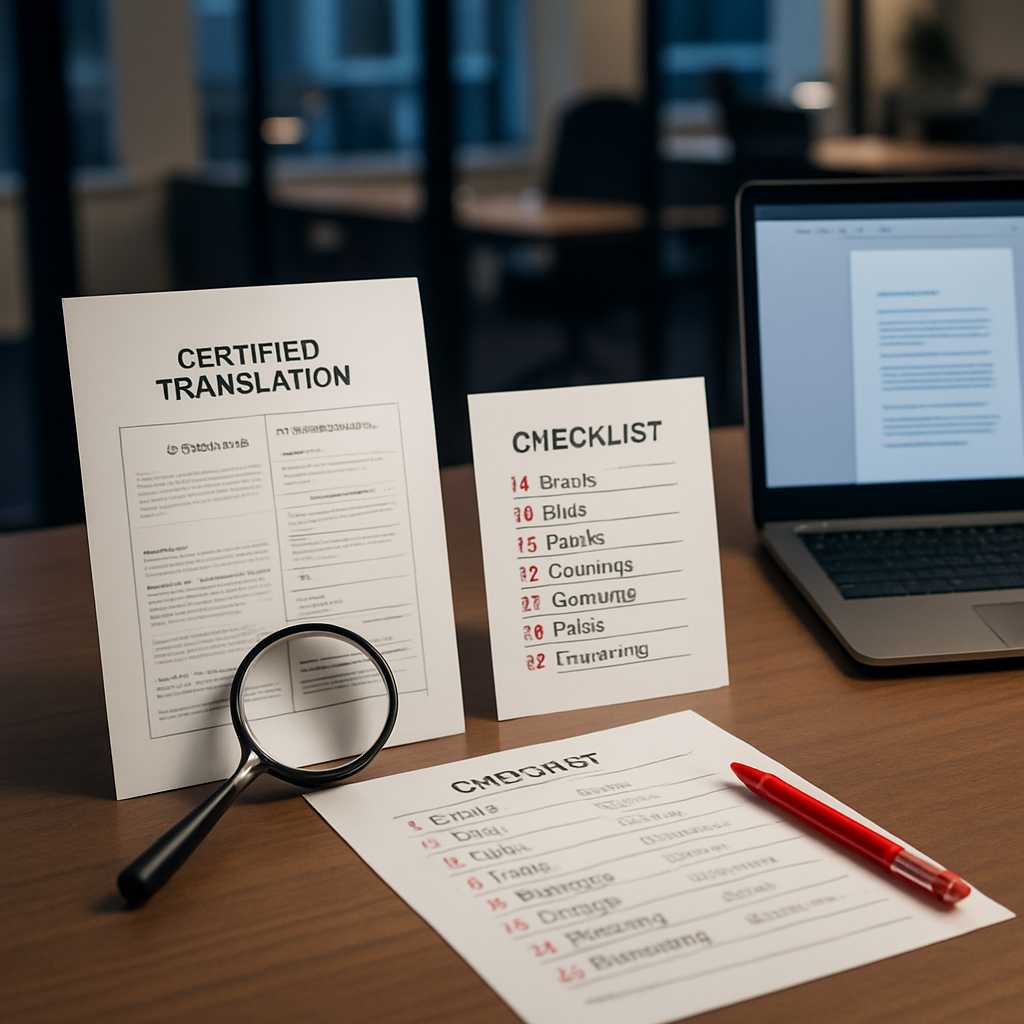
A simple checklist before you order
Before sending your documents for probate translation, check:
- Is every page included?
- Are all codicils attached?
- Are stamps, seals, and handwritten notes visible?
- Are names and dates readable?
- Do you know where each translation will be submitted?
- Have you checked whether certification alone is enough?
- Do you need hard copies as well as email delivery?
A complete file at the start can save days later.
FAQs
Is certified translation enough for probate in the UK?
In many probate translation UK cases, certified translation is the main requirement for wills, death certificates, and supporting estate documents. However, if a foreign authority, notary, court, or bank is involved, you may also be asked for notarisation, sworn translation, or apostille.
Do I need the whole will translated, or just the relevant page?
The whole will should usually be translated, including codicils, witness clauses, signatures, seals, and handwritten notes where relevant. Partial will translation can create serious problems if an omitted section affects legal meaning.
Can I translate a death certificate myself for probate?
Self-translation is risky for formal probate use. A death certificate translation for probate should be professionally prepared and certified so that the receiving authority can rely on it.
What other estate documents may need translation?
Besides will translation and death certificate translation, estates often require translation of grants of probate, letters of administration, powers of attorney, succession certificates, inheritance certificates, property deeds, bank letters, marriage certificates, and birth certificates.
Do grants of probate need translation for use abroad?
Very often, yes. If you are using an English grant in another country, the receiving bank, notary, court, or land authority may ask for a certified translation and sometimes notarisation or apostille as well.
How fast can probate translation be completed?
Turnaround depends on language pair, document volume, handwriting, scan quality, and whether extra certification is needed. Shorter documents can often be handled quickly, but multi-document estate files should be reviewed as a set so nothing important is missed.