Translation for Insurance Claims: What Insurers Usually Ask For
When an insurance claim involves documents in another language, the issue is rarely translation on its own. The real issue is whether the insurer can review the evidence quickly, clearly, and confidently enough to move the claim forward. That is why insurance claim translation requirements usually come down to four things: readability, relevance, traceability, and timing.
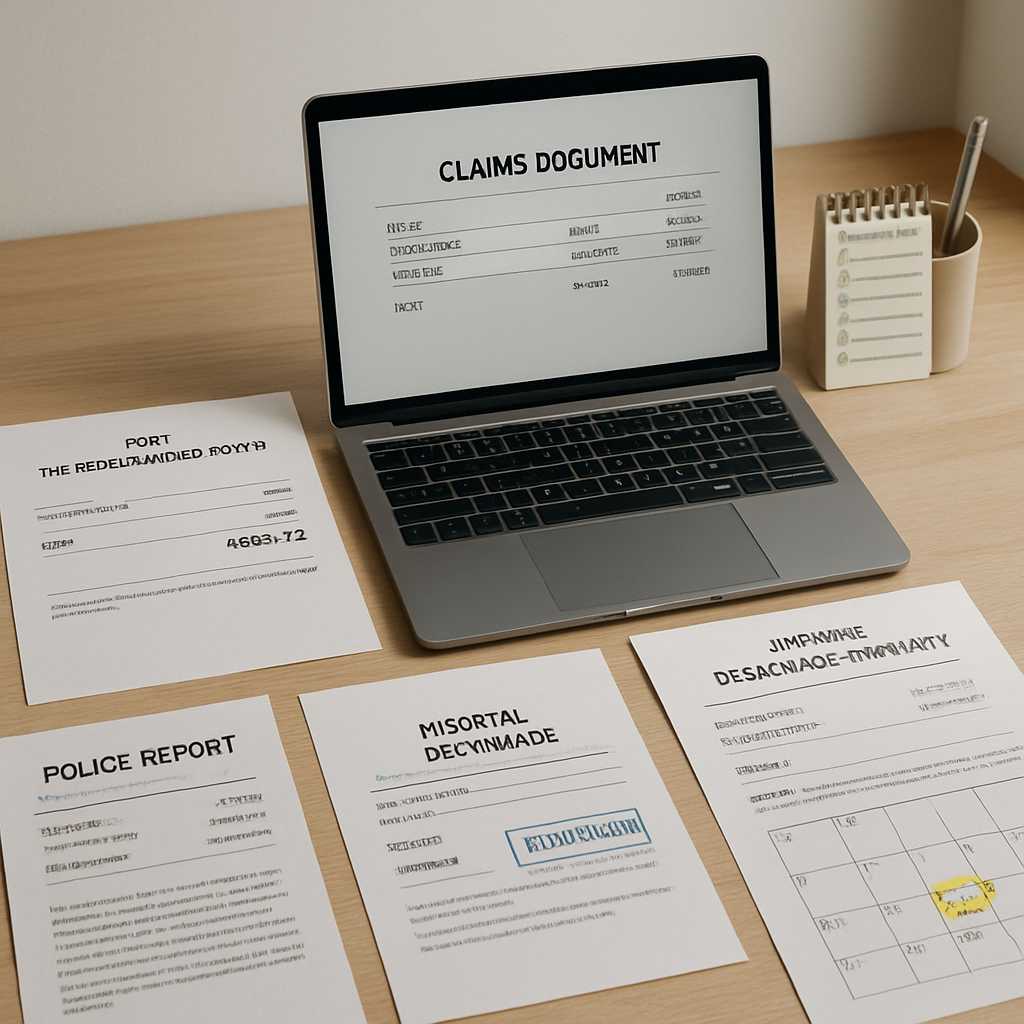
If you are submitting a claim with foreign-language paperwork, the documents that matter most are usually the ones that prove what happened, when it happened, how much it cost, and whether the loss is covered. That can include a medical invoice translation, a police report translation, discharge summaries, prescriptions, repair estimates, booking confirmations, or proof of ownership. In some cases, a standard professional translation is enough for initial review. In others, certified translations for claims are the safer choice, especially when the document is central to liability, payout, fraud checks, or a complaint escalation.
The most important point is this: insurers do not want more words. They want usable evidence.
If you need a fast answer on what your insurer is likely to accept, send the file before you submit the claim. A quick document review can often confirm whether you need a full certified translation, selected pages only, or a cleaner English version of receipts and reports before the delay becomes expensive.
What Insurers Usually Want from a Translated Claim Document
Most insurers are trying to answer a straightforward set of questions:
- What happened?
- When did it happen?
- Who was involved?
- What treatment, repair, or loss is being claimed?
- What is the value of the claim?
- Does the document look complete and credible?
That means a useful translation for an insurance claim should do more than convert words. It should preserve the details that claims teams actually rely on, including:
- dates and times
- names and policyholder details
- hospital, clinic, police, or repair centre details
- invoice numbers and payment references
- stamps, seals, signatures, and handwritten notes
- tables, itemised costs, and totals
- unclear or illegible sections marked properly rather than guessed
This is where many claims slow down. A rough translation may tell the general story, but if the line items, stamp text, doctor’s note, or incident wording are unclear, the insurer may come back for clarification, more pages, or a certified version.
The Practical Rule Most Claimants Miss
The translation should match the purpose of the document. A discharge summary needs medical clarity. A police report needs factual precision. A hotel incident report needs sequence and location details. A receipt bundle needs clean, itemised formatting. Treating every document the same is one of the main reasons translated claim files become harder to process than they need to be.
The Documents Most Often Translated for Insurance Claims
Medical Invoice Translation
Medical invoices are one of the most common issues in overseas claims. They often look simple until the insurer tries to verify them. A strong medical invoice translation should keep:
- provider name and address
- date of treatment
- patient name
- diagnosis or treatment description where shown
- procedure line items
- currency
- proof of payment wording
- stamps, signatures, and invoice numbers
If the invoice is handwritten, poorly scanned, or mixed with abbreviations, accuracy matters even more. A mistranslated procedure name or missing payment note can trigger avoidable follow-up questions.
Medical Report Translation
Where a claim involves illness, injury, emergency treatment, delayed travel, cancellation, or repatriation, medical reports often become the deciding documents. Insurers typically need the report to show the diagnosis, timing, treatment given, and clinical reason for the claim.
These translations should be handled carefully because even small wording issues can affect how the file is understood. Terms around causation, severity, admission dates, discharge advice, and fitness to travel are especially important.
Police Report Translation
A police report translation is commonly needed for:
- theft claims
- road traffic accidents
- assault-related claims
- lost passport or visa incidents
- property damage claims abroad
Insurers often look at police reports as independent evidence. That makes names, locations, vehicle details, incident descriptions, and reference numbers especially important. If the report contains abbreviations, handwritten sections, or local legal terminology, the translation should reflect that clearly rather than smoothing it over.
Accident or Incident Report Translation
Not every claim involves the police. Hotels, tour operators, employers, property managers, and transport providers may issue their own incident reports. These documents often become important because they record the first account of what happened.
Where possible, the translation should preserve chronology. Claims handlers often scan for timing, witnesses, immediate action taken, and whether the loss was reported promptly.
Proof of Ownership, Value, or Payment
Depending on the claim type, insurers may also ask for translations of:
- receipts
- repair estimates
- bank statements
- booking confirmations
- warranty documents
- death certificates
- correspondence with local providers
- benefit statements or reimbursement summaries
These documents may not need full certification every time, but they do need to be readable and internally consistent.
Do Insurers Always Require Certified Translations for Claims?
No. But that does not mean certification is optional in practice.
Many insurers will first want a clear English translation they can review quickly. Whether they insist on certified translations for claims often depends on the role the document plays in the decision.
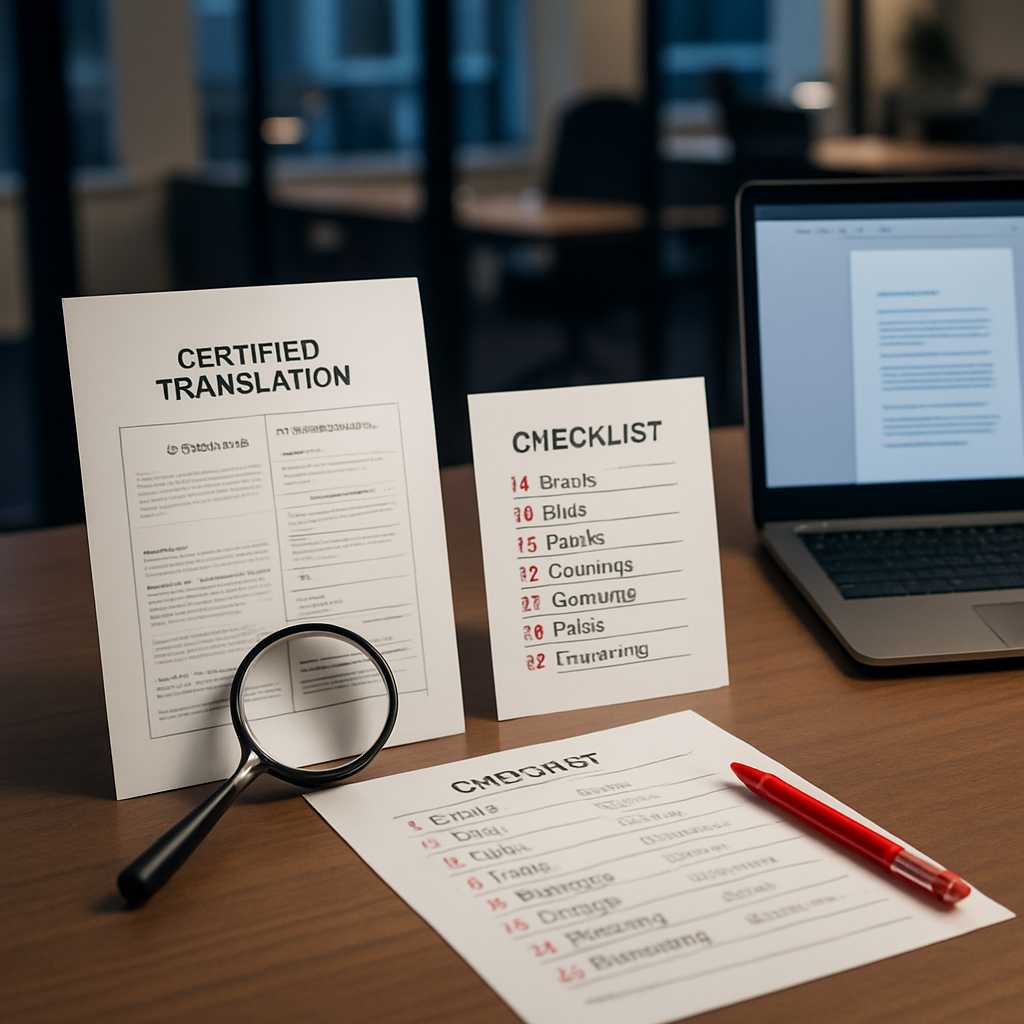
Certified translation is usually worth it when:
- the document is central to the payout decision
- the claim value is significant
- the file may be reviewed by multiple teams
- fraud checks are likely
- the insurer has already queried the evidence
- the matter may go to complaint, legal review, or court
- the original contains stamps, official headers, signatures, or formal findings
For low-risk supporting paperwork, a professional standard translation may be enough at the first stage. For core evidence such as a medical report or police report, certification can save time because it reduces the chance of the insurer asking you to resubmit the same document in a more formal format later.
A Useful Decision Rule
Use standard professional translation when the document is informative. Use certified translation when the document is evidential. That distinction is often more helpful than asking whether the document is “official.”
Full Translation or Selected Pages?
This is where smart claims preparation can save both time and money.
Not every insurer needs every page translated in full at the start. In many claims, the critical pages are:
- the page identifying the patient, claimant, or policyholder
- the page describing the incident or diagnosis
- the itemised billing pages
- the payment confirmation page
- the police report page with the incident summary and reference number
- any page with a doctor’s recommendation, discharge advice, or travel restriction
A selective approach can work well for initial review, especially when the file is large. But it only works if the selected pages still tell a complete story. If key context sits elsewhere in the document, partial translation can create more questions than it solves.
A good translation provider should tell you honestly when selected pages are enough and when full translation is the safer route.
Deadlines and Evidence: Where Claims Usually Go Wrong
Insurance claim translation requirements are often less about language and more about timing. Claimants sometimes assume they can submit the untranslated file first and deal with language later. That can work in some cases, but it can also create problems if the insurer’s clock is already running.
Common delay points include:
- waiting too long to request translation
- sending low-quality scans
- translating only the invoice but not the diagnosis report
- omitting the payment proof
- sending a self-translation the insurer does not trust
- forgetting that names, dates, or currencies must match across documents
- not keeping originals after submitting copies
If your claim is urgent, the fastest route is usually to send all related documents together for review: the insurer request, the original files, and a note on what the claim is for. That makes it easier to prioritise the pages that matter first.
The Three Checks That Prevent Most Rework
Before submitting a translated claim file, check:
- Identity consistency: Names, dates of birth, policy numbers, passport numbers, and claim references should match exactly across the source documents and translation.
- Document logic: The incident date, treatment date, invoice date, and payment date should not appear to contradict each other unless the document itself explains why.
- Visible evidence markers: Stamps, signatures, clinic headers, police references, itemised charges, and handwritten notes should be retained or clearly noted.
What Makes a Claim Translation More Credible
Insurers are used to checking for gaps. The more important the claim, the more closely the paperwork is likely to be read.
A credible translated submission usually has:
- a clean scan of the original
- all pages included, even blank backs where relevant
- consistent naming across every file
- professional formatting that mirrors the original layout
- translator notes for illegible or partially obscured text
- certification where needed
- a clear file naming structure
That last point is underrated. A bundle labelled “Report final.pdf” is far less helpful than:
- Police-report-translation
- Hospital-discharge-summary-translation
- Medical-invoice-translation
- Payment-proof
- Claim-form
Small presentation details can make the insurer’s review easier, and easier files tend to move faster.
Real-World Claim Scenarios Where Translation Matters Most
Overseas Medical Treatment Claim
You were treated abroad after a sudden illness. The insurer asks for the medical report, discharge summary, itemised invoice, and proof of payment.
What matters most:
- diagnosis wording
- treatment dates
- attending doctor or hospital details
- currency and totals
- whether the documents show emergency treatment versus elective care
Best approach: Start with the medical report and invoice bundle. If the policy wording or claims handler has asked for formal evidence, certified translations are usually the safer option.
Theft Claim While Travelling
Your phone, passport, or bag was stolen overseas. You have a police report, replacement receipts, and travel documents.
What matters most:
- police reference number
- date and location of theft
- list of stolen items
- proof of ownership or replacement cost
- booking or itinerary records if delay or disruption is involved
Best approach: Translate the police report first. Then translate any receipts or ownership evidence that directly supports the valuation.
Accident Claim with Injury
After a road traffic or liability incident abroad, the insurer asks for a police report, medical records, and invoices.
What matters most:
- incident chronology
- parties involved
- injury description
- treatment notes
- causation language
- payment evidence
Best approach: Use a provider comfortable with both medical and legal-style documents. This is the kind of claim where weak wording can create expensive ambiguity.
Bereavement or Repatriation-Related Claim
The paperwork may include a death certificate, hospital records, invoices, transport documents, and official correspondence.
What matters most:
- formal cause or circumstances
- dates and location
- official issuing body
- funeral, repatriation, or administrative costs
- policy-related timing
Best approach: Do not cut corners. These files often require certification and especially careful formatting because multiple organisations may review them.
Can You Translate the Documents Yourself?
For an internal understanding of your own paperwork, yes. For submission to an insurer, that is often a bad idea.
The problem is not only accuracy. It is credibility. Claims teams are much more likely to trust a professionally prepared translation that preserves the original structure and, where appropriate, comes with certification. If the claim is complex, contested, high-value, or medically sensitive, self-translation can become a false economy.
How to Prepare Your File for Faster Translation and Faster Claims Handling
Before you order a translation, gather:
- the insurer’s request email or claims checklist
- all pages of the original documents
- any notes showing which parts the insurer highlighted
- your deadline
- the target language required by the insurer
- whether digital delivery is enough or hard copy may be needed
Then ask one practical question: Do I need a full certified translation, or just the pages that decide the claim? That question alone can save days.
If you are unsure, send the bundle for review before paying for unnecessary pages. A fast pre-check can often identify what is essential, what is optional, and what needs special handling because of stamps, handwriting, medical terminology, or poor scan quality.
A Better Way to Think About Insurance Claim Translation Requirements
The strongest claims submissions are not the longest. They are the easiest to verify.
That means your translation strategy should focus on:
- the documents that prove the event
- the documents that prove the cost
- the documents that prove the connection between the two
Everything else is supporting material.
For many claimants, that shift in thinking is the difference between sending a bulky translated pack and sending a file the insurer can actually process.
If your claim deadline is close, upload the documents now and get the translation level checked before submission. A quick review can tell you whether you need certified translations for claims, a medical invoice translation, a police report translation, or a more selective bundle built around the evidence that matters most.
Frequently Asked Questions
Do Insurers Always Require Certified Translations for Insurance Claims?
No. Some insurers will review a professional translation first, especially for supporting paperwork. But if the document is central to the claim decision, high in value, medically important, or likely to be challenged, certified translation is often the safer option.
What Documents Usually Need Translation for an Insurance Claim?
The most common documents are medical invoices, medical reports, discharge summaries, police reports, accident reports, receipts, proof of payment, repair estimates, booking confirmations, and official certificates.
Can I Submit My Own Translation to an Insurer?
You can ask, but it is often risky. A self-translation may be questioned on accuracy, neutrality, or completeness. Professional translation is usually more credible, and certification may be needed for key evidence.
Is a Medical Invoice Translation Enough on Its Own?
Not always. A medical invoice shows cost, but insurers often also need a medical report or discharge summary showing diagnosis, treatment, and timing. Cost without context may not be enough.
Do Police Reports Need Full Translation for Claims?
Sometimes only the key pages are needed at first, especially the incident summary, date, location, and reference number. But if liability is disputed or the report is central to the claim, a full translation may be more effective.
Will Translation Delay My Insurance Claim?
It can if it is left too late or the wrong pages are translated first. In many cases, a fast document review and targeted translation plan helps prevent longer delays later.