Should Your Translation Be Word-for-Word? The Truth for Official Documents
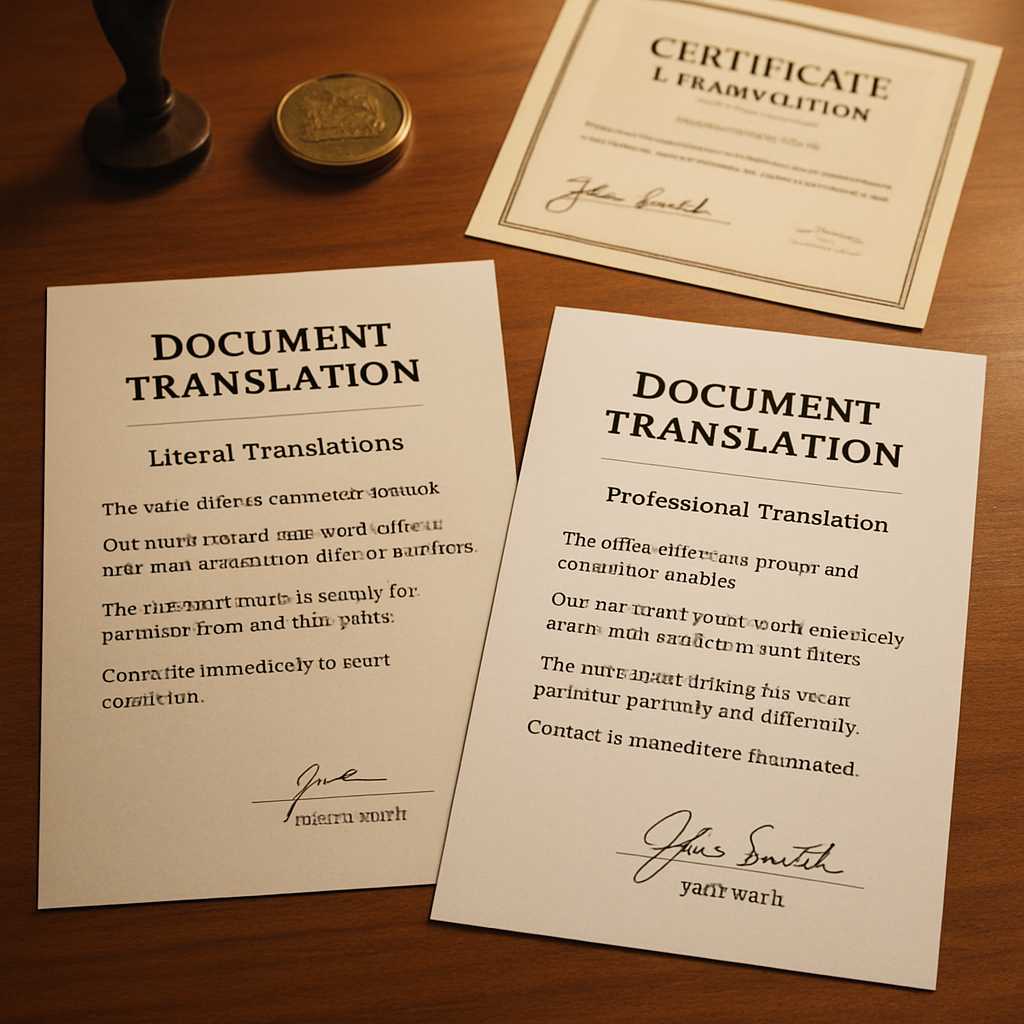
No. An official document should not be translated word for word if that creates awkward, misleading, or inaccurate English. What it should be is full, faithful, clear, and submission-ready. That distinction matters. A literal, word-for-word version can look “safe” because it appears close to the original. In reality, it often causes the opposite problem: strange […]
How to Handle Illegible Sections: What a Professional Translator Does
How to Handle Illegible Sections: What a Professional Translator Does An illegible section is never a small detail when the document is meant for official use. On a birth certificate, academic transcript, bank statement, medical report, police certificate, court order, or power of attorney, one unclear word can affect names, dates, reference numbers, signatures, stamps, […]
Date Formats in Official Translations: UK vs EU vs US (And What to Do)
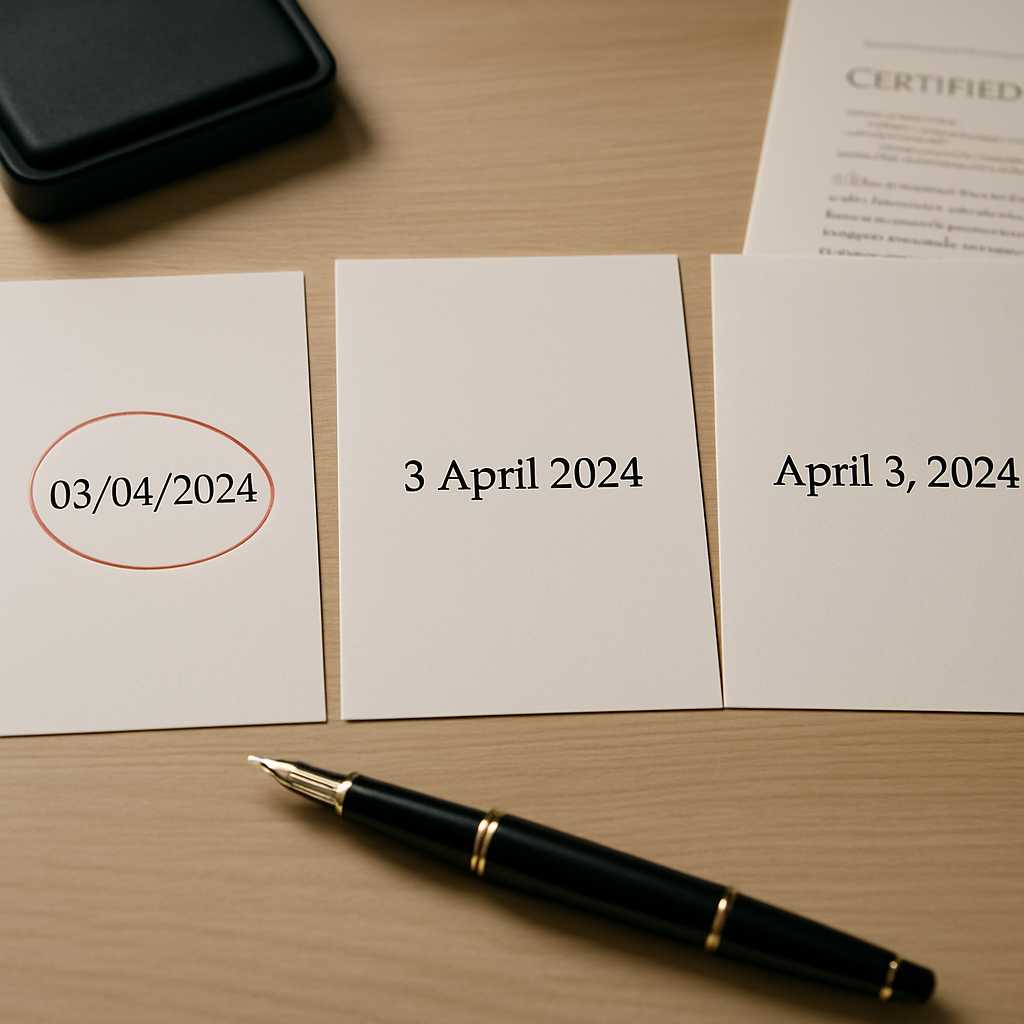
A date should be one of the simplest parts of a document to translate. In practice, it is often one of the easiest details to get wrong. This is because official documents move between countries that do not write dates the same way. A date like 03/04/2024 may mean 3 April 2024 in one country […]
How to Avoid Misspelt Names in Certified Translations (Fast Checks)
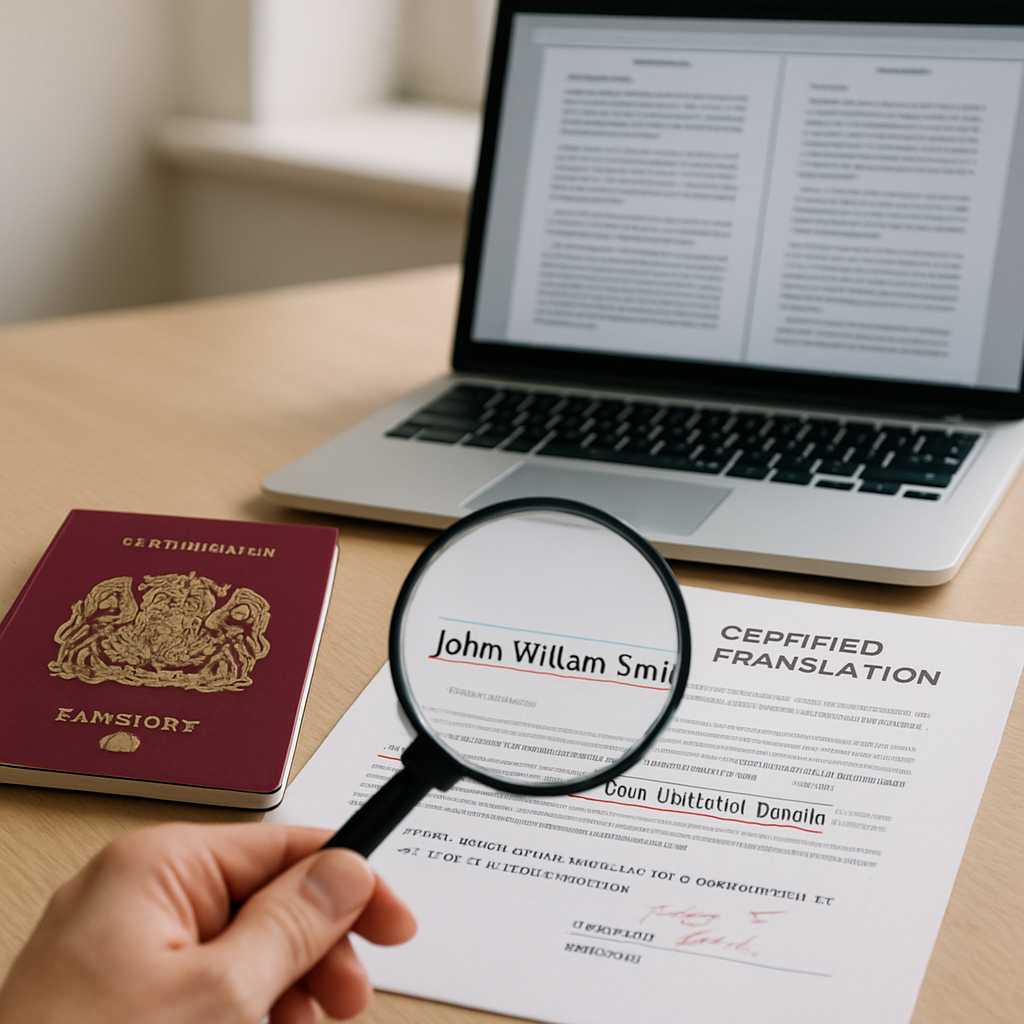
A single wrong letter can turn a clean application into a delay, a query, or a full resubmission. That is why name spelling in translation matters far more than many applicants expect. In certified translations, the issue is rarely just “spelling” in the ordinary sense. The real problem is inconsistency: one version on the passport, […]
Diploma Translation: Should You Translate Stamps and Signatures?
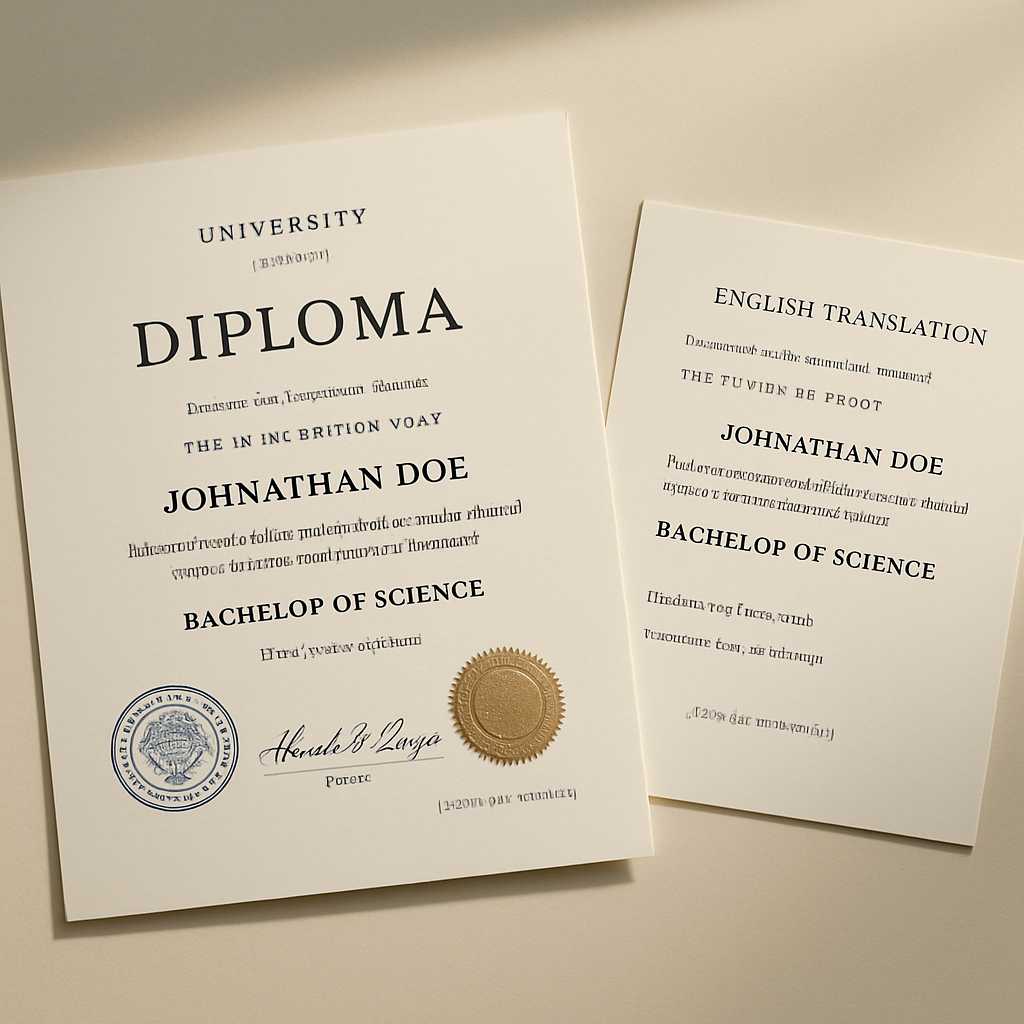
Understanding diploma translation requirements Understanding diploma translation requirements can be the difference between a smooth submission and an avoidable delay. Whether you are sending academic records to a university, employer, regulator, or credential evaluator, one question appears again and again: should stamps and signatures be translated, or left alone? The practical answer is this: all […]
Transcript Translation Accuracy: Why “Literal” Isn’t Always Correct
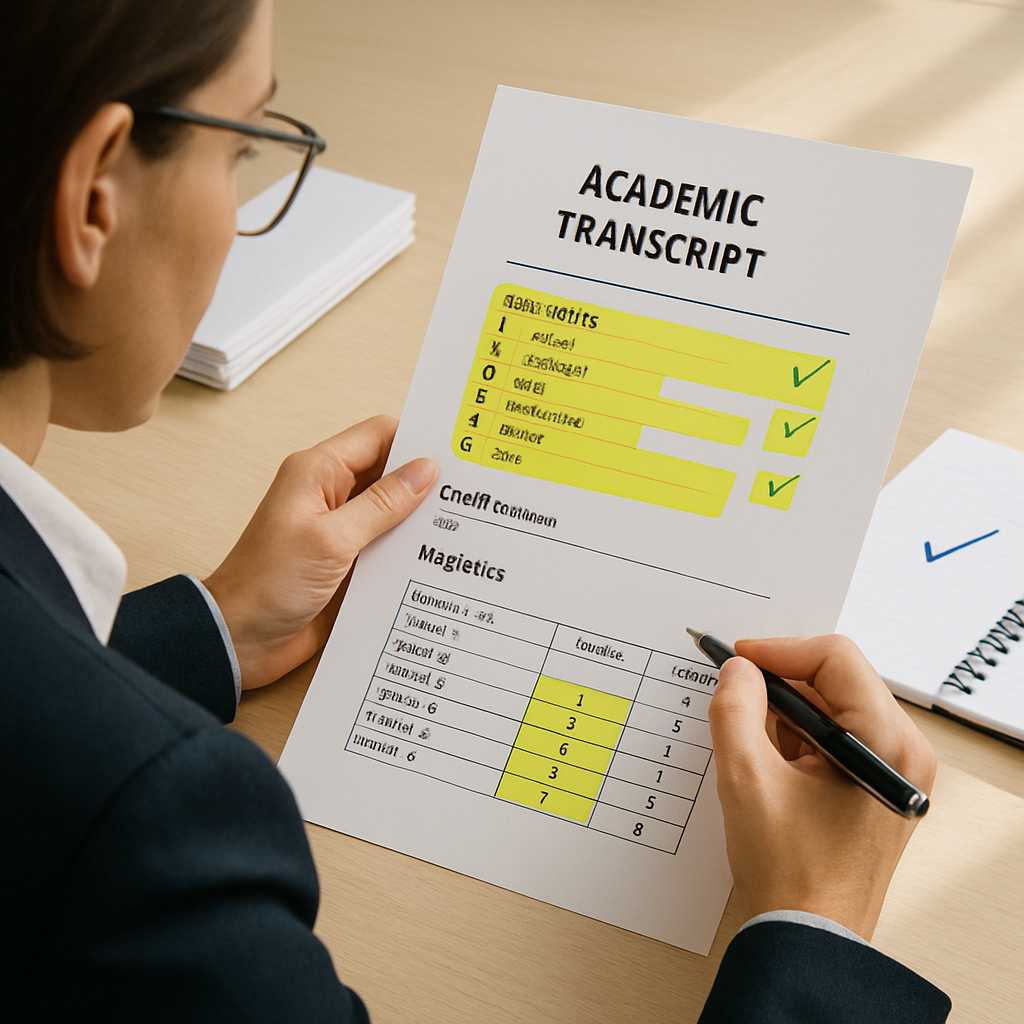
Transcript Translation Accuracy: Why “Literal” Isn’t Always Correct A transcript is not just a page of translated words; it is a record of academic meaning. This is why transcript translation accuracy is crucial. A translation can be literal at the sentence level and still be incorrect if it distorts module titles, mishandles grading scales, confuses […]
Power of Attorney Translation: Common Pitfalls and Fixes
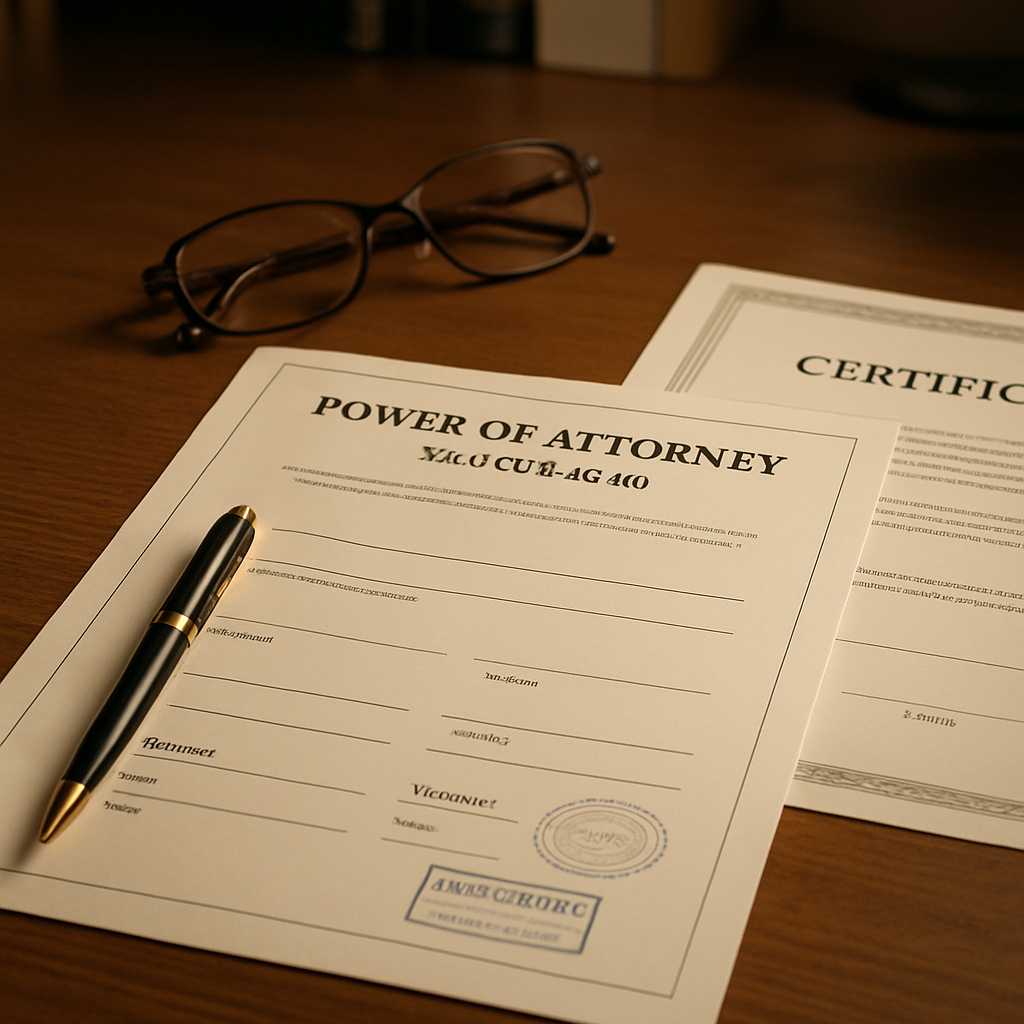
Power of Attorney Translation: Common Pitfalls and Fixes A power of attorney can appear straightforward at first glance, yet it is one of the most susceptible legal documents to errors during translation. The challenges extend beyond mere language; they encompass structure, legal meaning, formatting, execution details, and certification. A minor mistake in a name, a […]
Court Order Translation: Formatting Tips That Help Solicitors
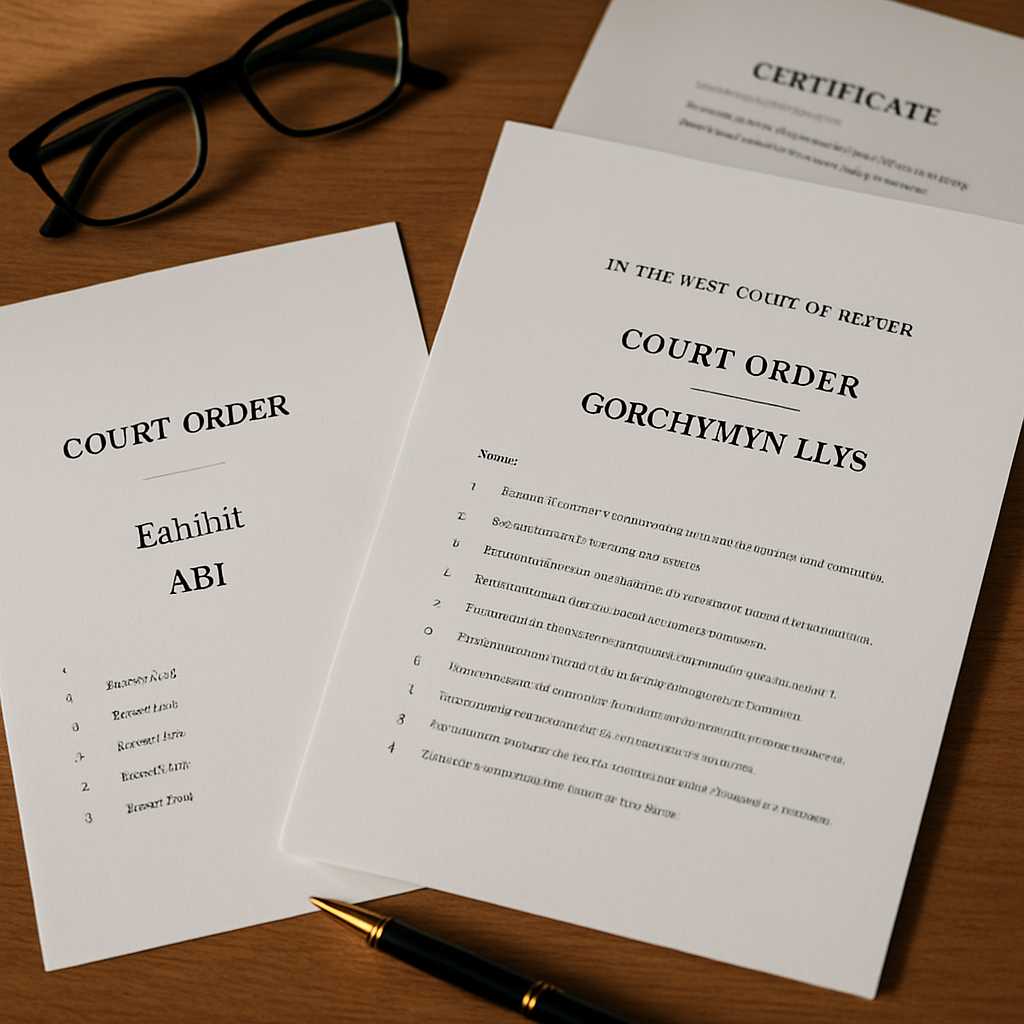
Court Order Translation: Formatting Tips That Help Solicitors Court order translation formatting is not just about making a document look neat. It is about preserving the legal logic of the original order so a solicitor, caseworker, court clerk, or reviewing authority can move through it quickly without second-guessing what belongs where. A well-prepared translation does […]
Medical Report Translation: How to Handle Abbreviations and Test Results
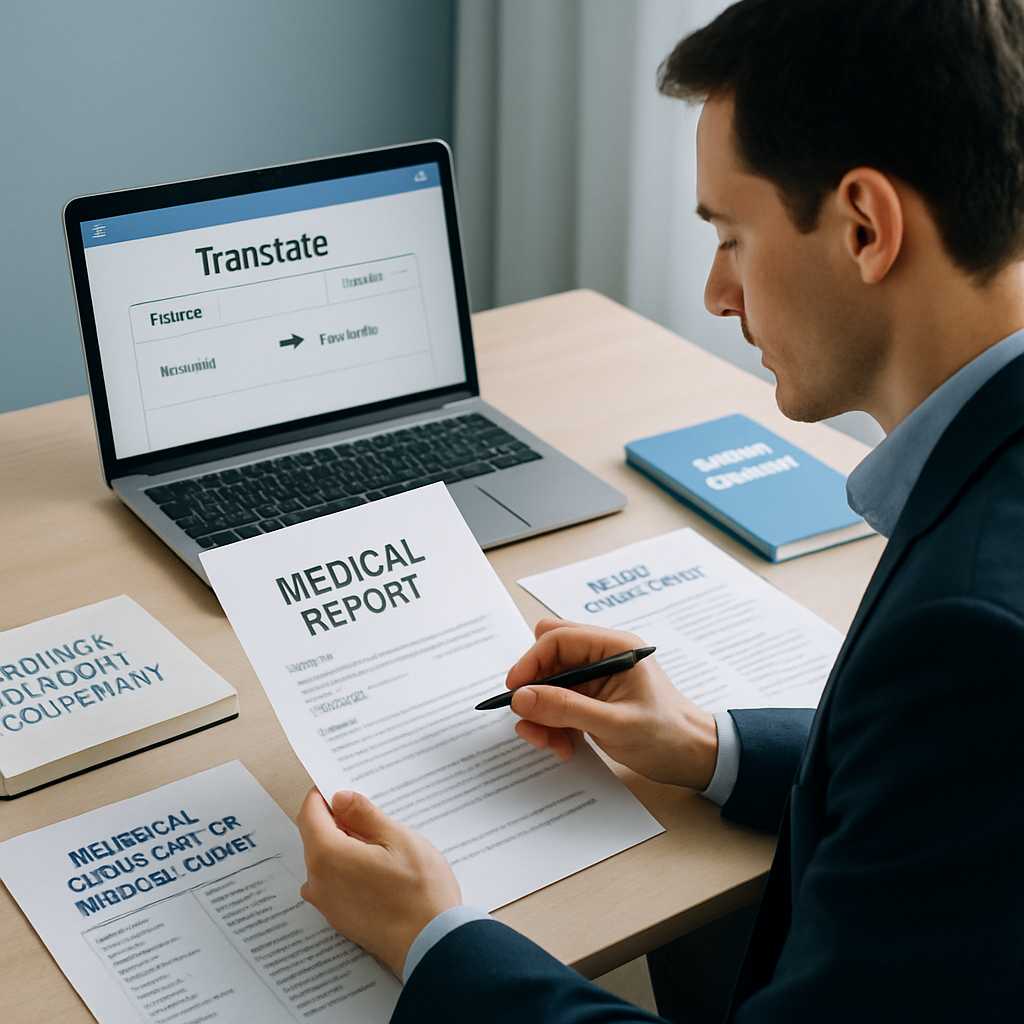
Medical Report Translation: How to Handle Abbreviations and Test Results Medical reports are not the kind of document you can afford to translate loosely. A single abbreviation can point to more than one condition. A single decimal place can change the meaning of a lab result. A single missing note in the margin can trigger […]
Bank Statement Translation for Visas: What Not to Change (Ever)
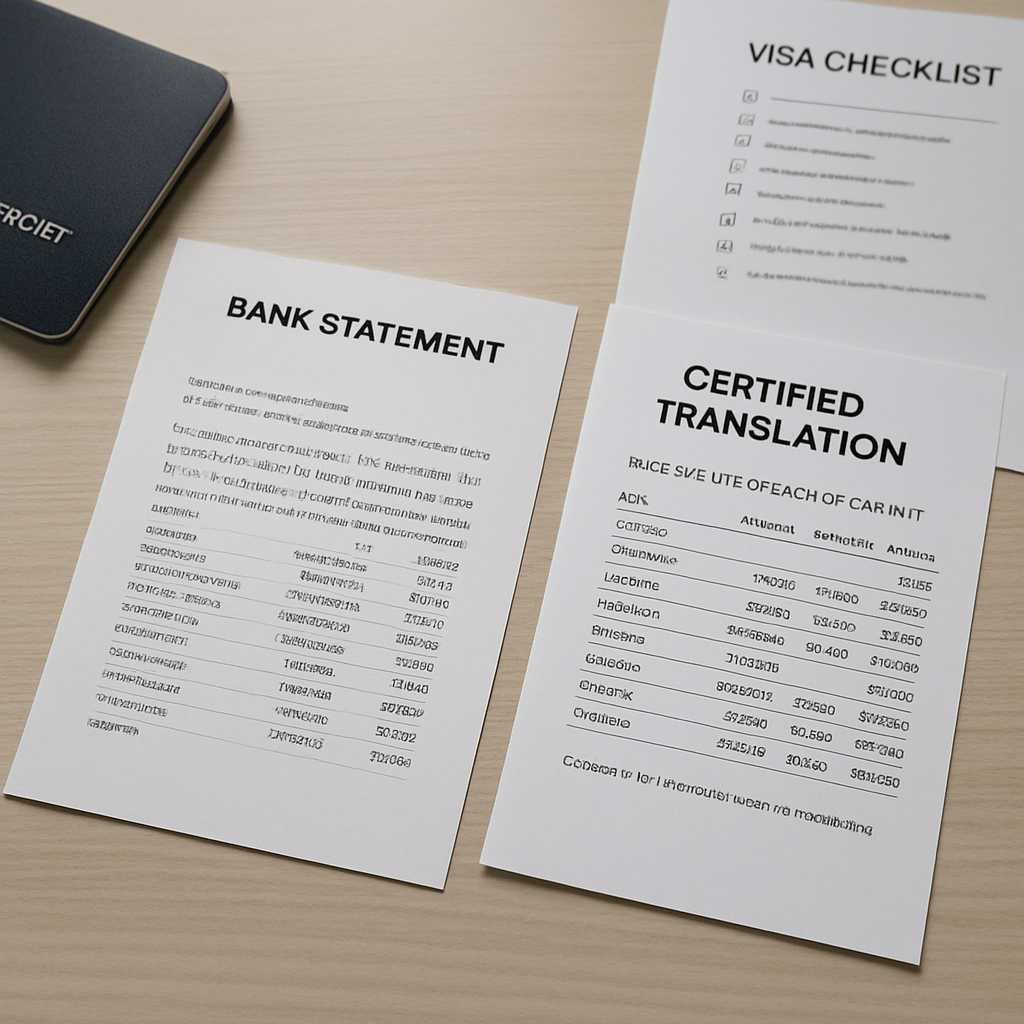
Bank Statement Translation for Visas: What Not to Change (Ever) A bank statement is not just paperwork. In a visa file, it is financial evidence. That means the translation is not there to “improve” the document, tidy it up, or make it look stronger. Its job is much simpler and much stricter: to reproduce the […]