Missing Page Translation Fix: How to Rescue Damaged or Incomplete Documents Fast
A missing page never feels like a small problem when your document is due today. One cropped stamp, one unreadable back page, or one torn section can slow down translation, trigger extra checks, and create avoidable stress at the point of submission. The good news is that most missing page translation fix cases can be handled quickly once you know exactly what is wrong, what needs rescanning, and what your translator can safely certify.
This guide explains how to deal with incomplete scans, damaged pages, cut-off text, blurred sections, missing backs, faint seals, and urgent deadlines without making the situation worse. It is designed for people submitting documents for immigration, legal, academic, HR, or official use and need a practical fix strategy rather than vague advice.
If your deadline is close, do not guess and do not submit a half-complete file. Start with the source document, fix the evidence, then translate once the document pack is submission-ready.
Why Missing or Damaged Pages Cause So Many Delays
A certified translation is only as strong as the document it is based on. When a file is incomplete, the risk is not just a translation issue; it becomes a submission issue.
- One page missing from a multi-page certificate or transcript
- The back of a document not scanned
- A seal, signature, handwritten note, or margin comment cut off
- Torn corners hiding dates, names, reference numbers, or page counts
- Faded ink, glare, shadow, or blur over key fields
- Pages scanned in the wrong order
- Mixed files where the original and replacement pages do not match
In urgent cases, people often rush straight to translation. That is usually the mistake. The faster route is to confirm completeness first, then translate once the pack is stable.
The Four Types of Document Damage You Need to Identify First
Before you order anything, work out which of these four situations you are dealing with.
1. A Truly Missing Page
This is where page 2 of 3 is absent, the reverse side was never scanned, or an annex, attachment, grading key, terms page, or stamp page is not included. This is the highest-risk issue because the translator cannot certify content they have not seen.
2. A Cropped Page
The page exists, but part of it is cut off. This might be the bottom line of a passport page, a registry stamp in the corner, a handwritten amendment in the margin, or the final line of a decree. This is often fixable with a clean rescan.
3. An Unreadable Page
The page is present, but glare, blur, folds, shadows, low resolution, faded print, or watermark interference make part of it unreadable. This may be solved with a better scan, higher resolution, or a new photo in better light.
4. A Physically Damaged Page
The original itself is torn, stained, creased, laminated, water-damaged, partially erased, or marked over. This usually needs a more careful route: rescanning, replacement copy, certified copy, or a translator note for genuinely illegible text.
The Urgent Fix Strategy
When time matters, use this sequence.
Step 1: Stop the Submission Clock
Do not submit the translation request and the official application at the same time if the source file is incomplete. Fix the source first. A rushed translation based on the wrong file is not faster. It usually creates two rounds of work:
- The first translation
- The corrected reissue after the missing page appears
That costs time, money, and confidence.
Step 2: Confirm Exactly What is Missing
Check:
- Total page count on the document
- Page numbers, if shown
- Front and back pages
- Annexes, notes pages, grading keys, attachments, registry pages
- Stamps, seals, signatures, handwritten notes, barcodes, serial numbers
- Whether the file includes every page in the right order
A simple trick is to compare the scan against the physical document line by line, page by page. Do not rely on thumbnail previews alone.
Step 3: Choose the Right Fix Path
Use this quick decision guide.
| Problem | Best Urgent Fix |
|---|---|
| Page completely missing | Rescan or obtain replacement copy |
| Back page not scanned | Add the reverse side immediately |
| Seal or signature cropped | Rescan full page with edges visible |
| Text blurred or shadowed | Retake in better light or higher resolution |
| Page torn but readable | Rescan carefully and flag the damage |
| Page torn and unreadable | Request replacement or certified copy |
| Handwritten note faint | Provide clearer image and passport spelling where relevant |
| Old laminated document reflecting light | Retake at an angle with indirect lighting |
Step 4: Send the Full Pack Together
Do not drip-feed pages one by one unless your provider asks you to. Send the full, final set in one batch. That lets the translator:
- Check consistency across pages
- Confirm names, dates, reference numbers, and spellings
- Preserve formatting properly
- See whether a missing detail on one page appears elsewhere in the pack
This is often the difference between a smooth urgent job and a correction cycle.
Step 5: Tell the Translator Where the Document Will Be Submitted
This matters more than most people realise. Say where the translation is going:
- Home Office or visa submission
- HM Passport Office
- DVLA
- Court
- Employer
- University
- Embassy or consulate
- Foreign ministry or apostille process
A good provider can then tell you whether a scan is sufficient for translation, whether a certified copy may help, or whether you should pause and replace the damaged source document first. If your file is incomplete and the deadline is close, upload it for review first. A fast triage is usually better than ordering blindly.
What a Translator Can Fix and What a Translator Should Never Guess
This is where many rejected submissions start.
A translator can:
- Translate visible text accurately
- Reproduce structure, headings, tables, notes, and labels
- Flag illegible text where the original is genuinely unreadable
- Note visible damage affecting the source
- Keep names, dates, and document layout consistent
A translator should not:
- Invent missing text
- “Fill in” cut-off words from context
- Assume a missing back page is blank
- Replace an unreadable date with a guessed one
- Ignore a handwritten amendment because it looks minor
That is why the missing page translation fix starts with document recovery, not language work.
The Rescan Checklist That Prevents Second-Round Corrections
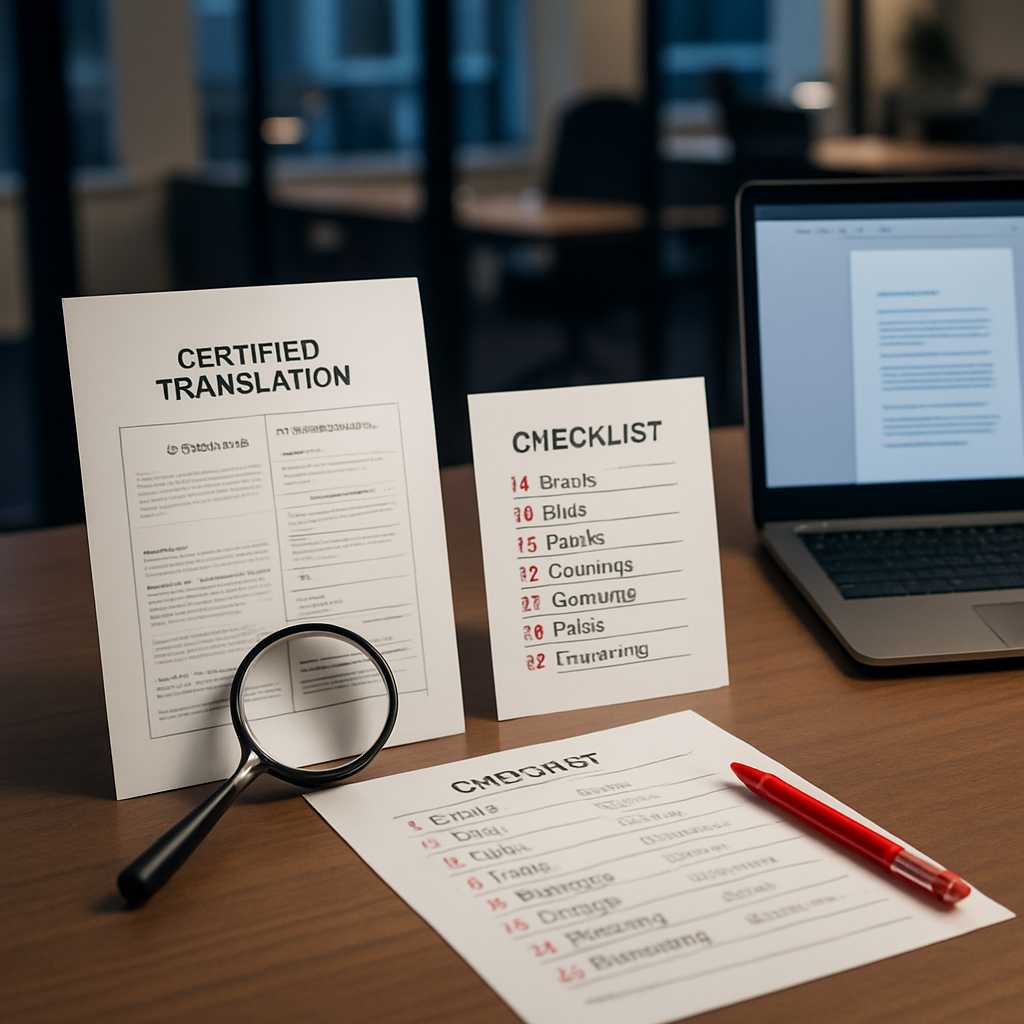
Before re-uploading your file, run this quick rescan checklist.
Document Capture Checklist
- Every page included
- Front and back captured where relevant
- Page edges visible
- No glare, no shadow, no fingers covering text
- Stamps and seals fully visible
- Signatures readable
- Handwritten notes included
- Page order correct
- All names and numbers legible
- One PDF preferred for multi-page documents
- Replacement pages clearly matched to the same document
Quality Checklist
- Text sharp when zoomed in
- Colour preserved where seals or annotations matter
- No heavy compression
- No screenshots from messaging apps
- No cropped previews instead of original files
- No mixed scans from different versions of the same document
Submission Checklist
- Target language confirmed
- Purpose of translation stated
- Deadline stated
- Spelling of names available from passport if needed
- Any damaged areas flagged in advance
A clean scan often saves more time than an urgent surcharge.
Missing Backs, Annexes, and Stamp Pages: The Most Overlooked Problems
Many official documents do not end where people think they end. Commonly forgotten pages include:
- Reverse side of certificates
- Apostille attachment pages
- Transcript grading keys
- Explanatory notes on the back
- Registrar endorsements
- Court annexes
- Notary pages
- Stamp-only pages
- Multi-page employment letters
- Bank statement continuation pages
- Passport observation pages where relevant
If the back page contains even one line of official wording, it should be reviewed before translation starts.
How to Handle Torn, Stained, Faded, or Water-Damaged Documents
Not every damaged document needs replacing immediately. The right response depends on whether the content is still readable.
When a Rescan is Usually Enough
- The tear does not hide text
- The page is creased but can be flattened
- The original is clear but your photo is poor
- The stamp is visible but the contrast is weak
- Light staining does not cover key content
When You Should Seek a Replacement or Certified Copy
- Date, name, registration number, or authority name is missing
- A seal or signature is partly gone
- The page is physically incomplete
- The document shows conflicting versions
- The damage affects authenticity or readability
- The authority may ask to compare the translation against the original later
If a registrar, university, court, embassy, or issuing authority can provide a better copy, that is often the fastest clean solution.
What to Submit When You Cannot Replace the Damaged Page in Time
Sometimes the deadline is real and the replacement document is not immediately available. In that case, submit for review with:
- The best available scan of the damaged document
- All other pages in full
- Any certified copy or duplicate you already hold
- A brief note explaining what is missing or unreadable
- The deadline and receiving authority
- Confirmation of whether the original replacement is on the way
This allows the translation team to tell you one of three things quickly:
- Proceed now
- Proceed with a visible illegibility note
- Pause and replace the source before translation
That decision is far better made before work begins than after submission fails.
A Practical Example of the Fastest Safe Fix
A client uploads a three-page marriage certificate pack for urgent official use. Page 1 is clear. Page 2 is present but cropped at the bottom. Page 3, which contains the registrar’s stamp and marginal note, is missing completely.
The wrong move is to translate page 1 and most of page 2 immediately. The faster move is:
- Ask for the full page count
- Request a full rescan of page 2
- Request page 3 immediately
- Confirm whether there is writing on the reverse
- Translate the full pack once complete
That avoids a second certification round and gives the receiving body one coherent document set.
How to Avoid Rejection When the Problem Started with the Scan
If your aim is to avoid rejection, focus on completeness before speed. The safest rules are simple:
- Translate the final version, not the first version
- Include every page, not just the “important” ones
- Keep stamps, signatures, handwritten notes, and side notes visible
- Do not crop edges
- Do not photograph through plastic sleeves unless absolutely necessary
- Keep one document in one file where possible
- Check whether the recipient also needs a certified copy, notarisation, or apostille
- Ask for a pre-check before placing an urgent order
This is especially important for:
- Birth and marriage certificates
- Academic records
- Bank statements
- Police documents
- Court papers
- Passport and ID pages
- Employment letters
- Proof of address documents
A Better Way to Think About Urgency
Real urgency is not “translate immediately no matter what.” Real urgency is “remove the reason it might fail before it is translated.” That is why the best urgent fix strategy has two parts:
- Rescue the source
- Then certify the translation
Handled properly, this approach is faster, cleaner, and far more submission-friendly.
Why People Use Urgent Support for Damaged or Incomplete Files
When a page is missing, the value is not just speed; it is judgement. You need a team that can:
- Spot an incomplete scan quickly
- Tell you whether rescanning is enough
- Preserve the layout once the file is fixed
- Flag risks before certification
- Prepare a clean, submission-ready translation without back-and-forth
Urgent Certified Translation supports official, legal, academic, and personal documents, with careful formatting, consistency checks, and fast turnaround options for time-sensitive cases. If your file is incomplete, send the full document pack first for review. A quick pre-check can save a rejected submission, duplicate fees, and unnecessary delay.
A Simple Rule to Remember
Missing page translation fix is not about hiding the defect. It is about resolving it properly, documenting what is visible, and translating from the strongest possible source file. When the document is complete, readable, and in the right order, the translation becomes far easier to certify and far safer to submit. Send the document before the deadline becomes the real problem. The fastest fix is usually the one that catches the missing page early.
FAQ
What is the best missing page translation fix for an urgent submission?
The best missing page translation fix is to stop the order briefly, identify exactly what is missing, rescan or replace the affected page, and send the complete file in one batch. That reduces the chance of reissue requests and submission delays.
Can a certified translator work from incomplete scans?
A translator can review incomplete scans, but they should not guess missing content. If a page is absent, cut off, or unreadable, the safest route is to replace or rescan it before certification.
Will damaged pages cause rejection?
They can. Rejection risk rises when damage hides names, dates, signatures, stamps, reference numbers, or official wording. A clean replacement copy or a better scan is usually the safest fix.
What should I submit if my document scan is incomplete?
Submit the best available full set, note what is missing, include any replacement or certified copy you already have, and state where the translation will be used. That helps the translator advise whether to proceed, pause, or request a better source.
How do I avoid rejection from incomplete scans?
Use a rescan checklist before ordering: include every page, front and back where relevant, show all edges, keep the image sharp, and make sure stamps, signatures, and handwritten notes are visible.
Can you translate a torn or faded document?
Yes, if the visible content is still readable. If the damage hides key text, the better option is to obtain a replacement or certified copy before translation starts.