Batch Document Translation Tips: How to Translate Multi-Document Packs Faster
If you need several documents translated for one submission, the slowest approach is usually placing separate orders one by one. It creates repeated quoting, repeated instructions, repeated terminology checks, and repeated follow-up messages. A better approach is to batch related files into one organised pack so the whole job moves faster, more consistently, and with less back-and-forth.
That matters whether you are preparing a spouse visa file, university admissions paperwork, a family records pack, or a business compliance set. When documents belong to the same application, the smartest move is usually to organise them together from the start.
If your files are already ready, send the full pack through the fast quote form in one go rather than drip-feeding documents later. It is usually the simplest way to cut delays before the project even begins.
The fastest translation project is rarely the one that starts first. It is the one that is organised properly before upload.
Why Multi-Document Packs Become Slow
Most delays do not happen because translation itself is difficult. They happen because the pack is disorganised.
Common problems include:
- The same person’s name appears in different spellings across documents.
- Files arrive in random order with no clear priority.
- Some documents need certified translation while others are only supporting material.
- Urgent files are mixed in with lower-priority files.
- Scans are readable in some places and poor in others.
- The target language or destination authority changes halfway through the order.
- Documents are sent over several days, which resets the workflow again and again.
The result is simple: more admin, more checking, more clarification, and more risk of inconsistent terminology.
What Batch Ordering Actually Means
Batch ordering does not mean “throw everything into one folder and hope for the best.” It means building one structured order around one purpose, one timeline, and one set of naming rules.
A strong batch order usually has:
- One clear submission goal.
- One grouped set of related documents.
- One note explaining priority and certification needs.
- One agreed spelling standard for names, dates, places, and document labels.
- One delivery plan.
That is the real batch document translation strategy. It is not just bigger; it is cleaner.
The Batch Ordering Strategy That Saves the Most Time
1. Group by Outcome, Not by Document Type
People often group files as “certificates,” “bank statements,” “letters,” or “ID documents.” That sounds tidy, but it is not always the fastest way to process a real submission.
A better method is to group by purpose. For example:
- Spouse visa pack: marriage certificate, birth certificates, bank statements, payslips, employment letters, tenancy documents.
- University admissions pack: diploma, transcript, reference letters, passport page, name change evidence.
- Corporate compliance pack: company registration records, shareholder documents, tax papers, licence documents, supporting letters.
When files belong to the same end use, the translator or project manager can maintain one logic across the entire pack.
2. Split the Pack into Priority Tiers
Not every file needs the same turnaround. Create three simple tiers before ordering:
Priority A: Must Be Finished First
These are the documents you cannot submit without. Examples include:
- Marriage certificate
- Degree certificate
- Company incorporation document
- Passport or ID page
Priority B: Supporting Evidence
These documents matter, but they do not have to be delivered first. Examples include:
- Bank statements
- Reference letters
- Supporting declarations
- Utility bills
Priority C: Useful Later or Only If Requested
These are backup documents, secondary pages, or files you may not need immediately. This one step helps avoid paying urgent handling across the entire pack when only a few items are truly deadline-critical.
3. Lock the Spelling Rules Before Translation Starts
If there is one place where multi-document packs go wrong, it is consistency. The same person might appear as:
- Mohamed / Mohammed / Muhammad
- Fatima / Fatimah
- Abd El Rahman / Abdulrahman
- Sofia / Sofiya
That may seem minor, but across official documents it can create confusion, extra revision rounds, or questions from the receiving authority.
Before placing the order, prepare a simple consistency note with:
- Full preferred spelling of each person’s name
- Date format preference if relevant
- Place names that should remain in a standard form
- Company names exactly as registered
- Passport spellings where available
- Reference numbers that must match across files
This is one of the most practical batch document translation tips because it prevents errors before they happen.
4. Keep the Same Language Pair Together
A pack should normally stay together only if the files are moving into the same target language. For example, if you need:
- Arabic to English for UK submission
- French to English for the same submission
Those can often stay in the same order if the final destination and formatting expectations are aligned. But if you need:
- Arabic to English
- Arabic to Spanish
- French to German
That usually works better as separate language workflows, even if the documents relate to the same person or company. The more mixed the language directions, the less efficient the batch becomes.
5. Ask for One Terminology and Formatting Approach Across the Pack
Related documents should not be treated like isolated jobs. The best workflow is one where the whole pack is reviewed with a shared logic for:
- Names
- Dates
- Legal terms
- Academic terminology
- Company roles
- Seals, stamps, and handwritten notes
- Page labels and headings
This is where a centralised workflow becomes valuable. One team, one brief, one terminology approach, one delivery standard. If you are submitting documents across different categories, it is still worth reviewing the document types we translate first so the whole pack is scoped correctly before work begins.
The Best Way to Group Documents for Faster Turnaround
Here is the most useful grouping order for most clients.
Best Grouping Model for Personal Submissions
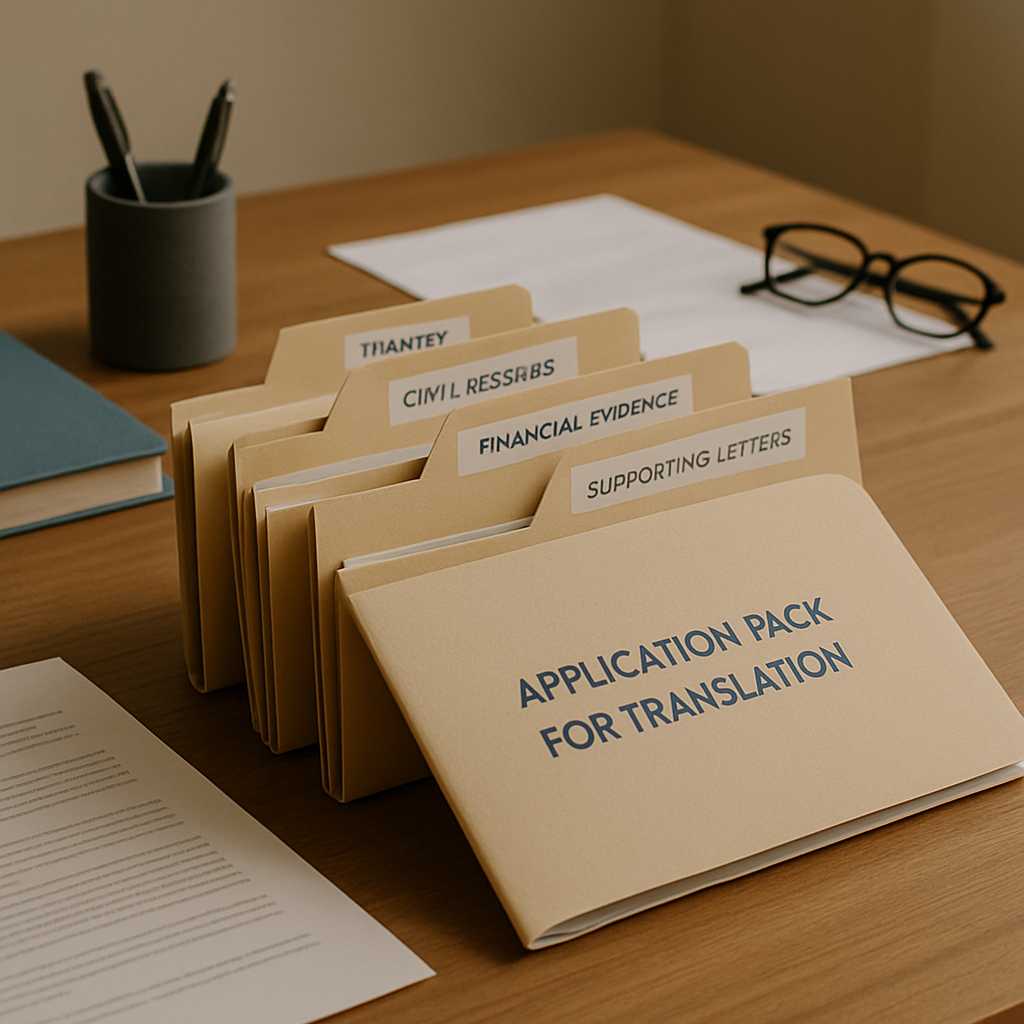
Use this order:
- Identity documents
- Civil status documents
- Financial evidence
- Supporting letters
- Background documents
This works well because it places the most important identity and relationship documents at the front of the workflow.
Best Grouping Model for Academic Packs
Use this order:
- Degree or diploma
- Transcript
- Enrolment or completion letter
- Recommendation letters
- Supporting ID or name change document
This keeps the core qualification documents together and reduces context switching.
Best Grouping Model for Business Packs
Use this order:
- Registration and incorporation records
- Licences and certificates
- Shareholder or director documents
- Financial and tax papers
- Supporting declarations or letters
This is often the cleanest order for company filings, tenders, banking, or overseas registration work.
The Upload Note That Makes the Project Smoother
When sending a large pack, include a short master note. It saves time for everyone. Use something like this:
Project purpose: UK spouse visa application
Target language: English
Certification needed: Yes, for all documents
Priority documents: Marriage certificate, passport, employment letter
Supporting documents: 6 bank statements, tenancy agreement, payslips
Preferred name spellings: [insert names exactly]
Important note: Please keep all passport numbers, dates, and addresses consistent across the full pack
Deadline: [insert date and time]
That single note often does more for speed than sending five separate follow-up emails later. To keep things even cleaner, it helps to choose one point of communication through your certified translation services workflow rather than splitting messages across different channels.
Where Clients Save Time and Money with Batch Ordering
A well-built batch does not only feel neater; it usually removes waste from the process.
Less Repeated Admin
One order is easier to quote, easier to schedule, and easier to manage than four or five fragmented mini-orders.
Better Consistency
If the same names, dates, and terms appear across the pack, batching helps keep them aligned.
Fewer Revisions
Most revision requests in document packs are not about the core translation. They are about inconsistency between documents.
Smarter Urgency
You can fast-track the files that matter most instead of pushing everything through the same deadline.
Cleaner Final Delivery
A single organised pack is easier to check before submission than documents arriving at different times in different naming styles.
A Simple Comparison: Separate Orders vs One Organised Batch
Separate Orders
- Repeated quoting
- Repeated briefing
- Higher chance of inconsistent terminology
- More email traffic
- More risk of duplicate questions
- Harder final review before submission
One Organised Batch
- One clear brief
- One terminology approach
- One priority plan
- One review stage
- One cleaner delivery structure
- Less time lost to admin
Three Typical Real-World Pack Examples
Family Immigration Pack
A client needs:
- Marriage certificate
- Child birth certificate
- Passport page
- 6 months of bank statements
- Employment letter
- Tenancy agreement
The fast method is to submit these as one visa-focused pack with the civil documents marked as Priority A and the supporting financial set marked as Priority B. That keeps the core relationship documents moving first while preserving consistent names and dates across the full submission.
Academic Admissions Pack
A student needs:
- Diploma
- Transcript
- Reference letter
- Passport page
- Old and new name evidence
The fast method is to keep the qualification documents together and add the name-linking document in the same order, so the translator can apply the same personal details consistently across the pack.
Corporate Registration Pack
A company needs:
- Certificate of incorporation
- Articles or registration extract
- Director passport
- Shareholder statement
- Tax document
- Authorisation letter
The fast method is to batch these into one business pack with a clean instruction note showing exact company name format, signatory names, and which documents are needed first. If the company is also dealing with more than one target market, review the languages we translate before ordering so the language workflow is clear from the outset.
When You Should Not Batch Everything Together
Batching is powerful, but only when the files belong together. Do not force one order if:
- The target languages are completely different.
- Some documents need certified translation and others need a different formal process.
- One document is unreadable and needs rescanning first.
- The files belong to different people with unrelated spellings and timelines.
- One urgent file must go out today and the rest can wait a week.
- The end uses are totally separate.
A rushed mixed pack can be slower than two clean smaller packs.
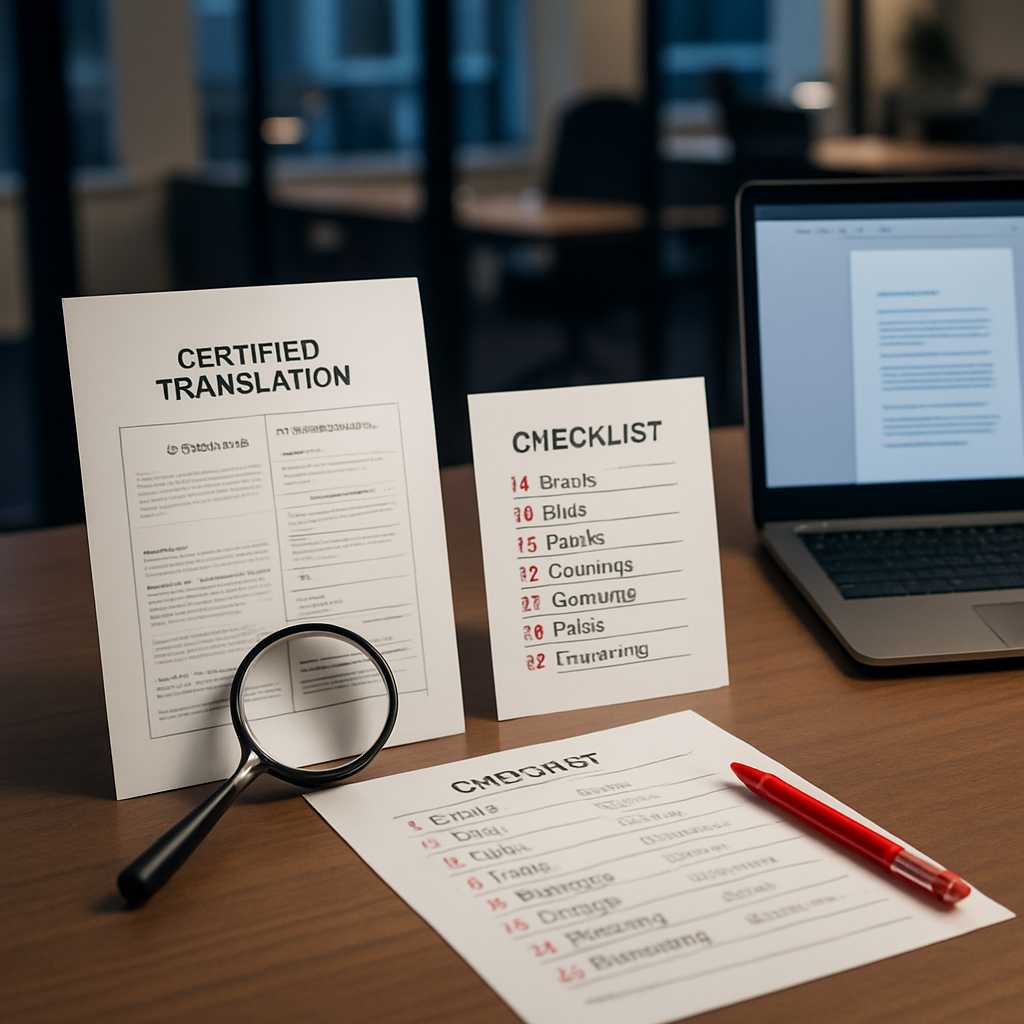
The Pre-Flight Checklist Before You Upload
Before sending your documents, check these points:
- Every page is included.
- Scans are sharp and readable.
- Files are named clearly.
- Repeated names match your preferred spelling.
- The purpose of the submission is clear.
- Urgent files are marked.
- Certification requirements are stated.
- The target language is confirmed.
- Supporting files are separated from must-file-first documents.
If you want the quickest start, upload the full set through the quote page and include the master note in the same step.
The Smartest Batch Ordering Rule to Remember
Batching works best when you combine shared purpose, shared terminology, and shared deadline. That is the real shortcut. Not more documents, but better grouped documents.
If your pack includes civil, academic, legal, financial, or company records, start by reviewing the document categories and then send the whole set for one clear assessment. If you are unsure what should stay together, contact the team with the pack summary and deadline first.
A well-organised batch order is often the difference between a smooth submission and a week of preventable back-and-forth.
FAQs
Can I translate multiple documents in one order?
Yes. If the documents belong to the same submission, language direction, and timeline, one order is usually the cleaner and faster option. It helps keep names, dates, and terminology consistent across the whole pack.
What is the best way to group documents for certified translation?
Group them by end use, not only by document type. A visa pack, admissions pack, or company compliance pack is usually easier to manage than sending certificates, letters, and statements as unrelated jobs.
Do batch document translation tips help reduce costs?
They often help reduce avoidable admin, repeated checks, and urgent rework. The main savings usually come from better organisation, fewer revision loops, and smarter prioritisation rather than sending files one at a time.
How do I keep terminology consistent across multiple translated documents?
Send all related files together, provide preferred spellings for names and places, and use one clear master brief. Consistency is much easier when the full pack is reviewed as one workflow.
Should I send bank statements together with civil documents?
If they are supporting the same application, yes, that can make sense. Just mark the civil documents as higher priority if they are needed first and clearly label the bank statements as supporting evidence.
Can I batch documents in different source languages?
Sometimes, yes, but only when the target language, submission purpose, and deadline are aligned. If the pack involves several target languages or very different requirements, it is usually better to split the workflows.