How to Translate Handwritten Notes on Official Documents
A handwritten note translation is rarely just a small extra. On official documents, a note in the margin, a pen correction beside a typed field, or a handwritten remark near a stamp can change how the whole document is read. That is why these details should not be ignored, guessed, or quietly left out. A strong translation treats them as part of the document, presents them clearly, and makes it easy for the reviewer to see what was handwritten, where it appeared, and why it matters.
If you are submitting a birth certificate, marriage certificate, academic record, court paper, police document, employment letter, or other official paperwork, the safest rule is simple: translate all visible content that affects meaning, authenticity, or reviewability. That includes annotations translation, marginal notes, pen corrections, handwritten dates, initials, and translator notes where the handwriting is unclear.
Why Handwritten Notes Cause So Many Problems
Most document rejections are not caused by the main body text. They happen because the small details were missed.
A handwritten note may:
- record a correction by an official
- explain an amendment to a name, date, or status
- confirm cancellation or replacement
- add a filing reference or registrar remark
- show a handwritten date, signature, or initials beside a seal
- cross out earlier text and replace it with new wording
If the translator only handles the printed text, the reviewer sees something different from the original. That gap creates doubt immediately.
A complete, submission-ready translation should reflect the real document in front of the caseworker, admissions officer, solicitor, registry clerk, or embassy reviewer. For UK-facing submissions, official guidance repeatedly stresses that translations should be full, verifiable, and include the translator’s identifying details. (GOV.UK)
What Counts as a Handwritten Note on an Official Document
Handwriting appears in more places than clients expect. It is not only a full note in the margin. Common examples include:
- marginal notes beside the main text
- pen corrections to names, dates, places, or numbers
- handwritten dates added near a stamp or signature
- initials confirming a correction
- crossed-out text with handwritten replacement text
- back-page notes or endorsements on the reverse
- short remarks such as “corrected,” “duplicate,” “cancelled,” or “see attached”
- handwritten registration details added to typed certificates
- annotations around a seal or official mark
These details often look minor, but they can carry the exact reason a document was updated, reissued, or accepted.
The Safest Rule: Translate the Note, Not Just the Document
When an official document contains handwriting, the translation should normally do four things at once:
- Show that the note exists
- Translate what it says
- Indicate where it appears
- State when something is unclear or illegible
This matters because the reviewer is not only reading the English. They are comparing the English against the source.
A weak handwritten note translation might smooth everything into a clean paragraph. A stronger one might present it like this:
[Handwritten note in left margin: Surname corrected by order dated 12 May 2023]
Or:
[Handwritten correction above printed date: 14/09/2024]
Or:
[Handwritten note near seal: Duplicate issued]
That approach removes ambiguity. It also makes annotations translation much easier to verify.
How to Present Handwritten Notes Clearly in a Certified Translation
The goal is not to make the page look pretty. The goal is to make it easy to compare.
Use Labels That Tell the Reader What They Are Seeing
Good labels include:
- [Handwritten note:]
- [Handwritten marginal note:]
- [Handwritten correction:]
- [Crossed out in original]
- [Illegible handwritten word]
- [Initials beside stamp]
These are simple, practical, and easy for reviewers to understand.
Preserve Position Where It Matters
Location can matter as much as wording. Use phrases such as:
- in upper-right corner
- in left margin
- beside the registrar’s seal
- below the typed entry
- on reverse side
- across the original printed word
This is especially useful where there are several notes on one page.
Distinguish Handwriting from Printed Text
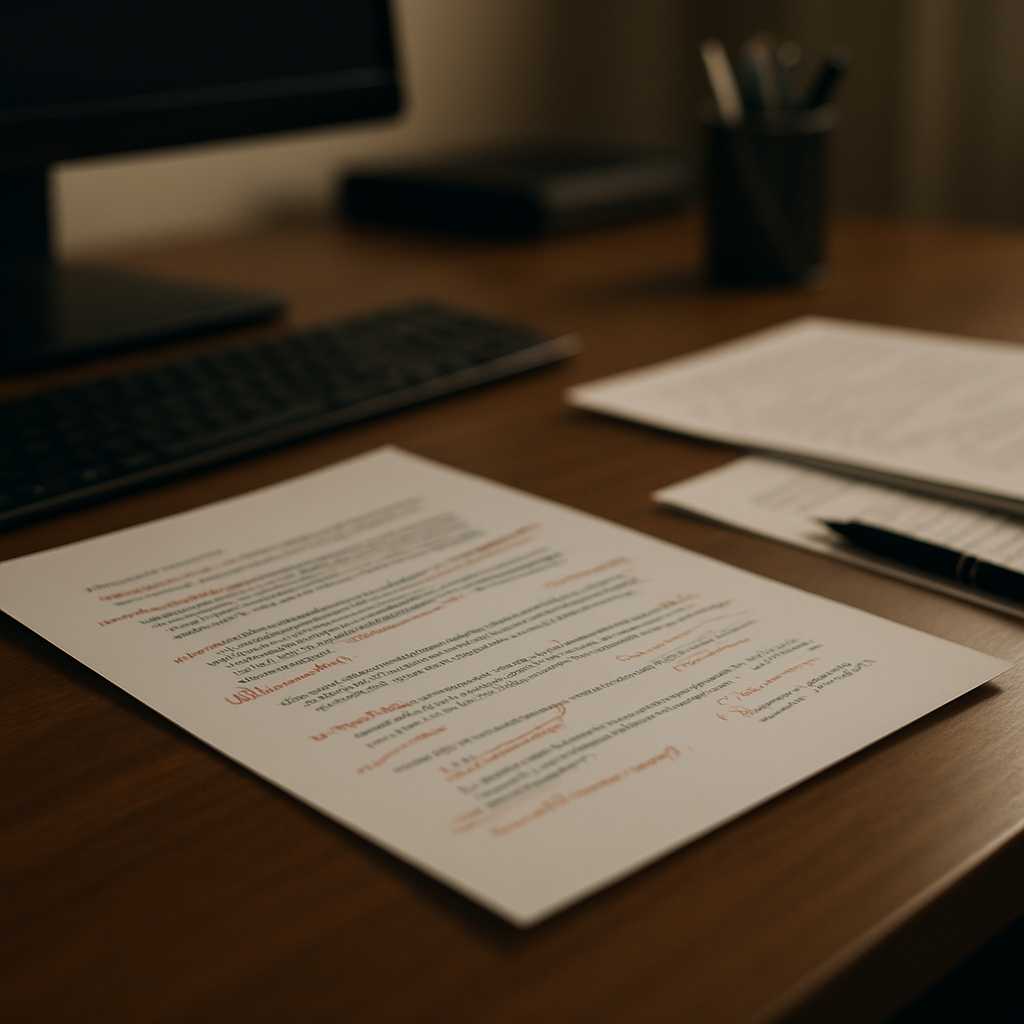
Do not let a handwritten correction disappear into the main translated line without explanation. For example, if a printed date is crossed out and a handwritten date replaces it, the translation should show the change rather than presenting only the final date as though nothing happened.
Use Translator Notes Carefully
Translator notes are useful when:
- a handwritten word is partly unreadable
- the note overlaps a stamp or seal
- the original includes unclear abbreviations
- part of the text is cut off in the scan
- the handwriting is present but not confidently decipherable
A translator note should clarify uncertainty, not hide it.
When to Use a Translator Note
A translator note is the right tool when the document cannot honestly be rendered as plain text alone. Use one when the source contains:
- partially illegible handwriting
- crossed-out words that remain visible
- obvious spelling mistakes that may matter
- damaged areas
- incomplete words due to a poor scan
- ambiguous initials or abbreviations
A practical format looks like this:
[Translator’s note: The handwritten word after “Issued” is partly illegible.]
Or:
[Translator’s note: A handwritten annotation appears in blue ink; final word unclear.]
Or:
[Translator’s note: Printed text is crossed out; handwritten replacement written above.]
Professional guidance on certified translations also supports annotating the translation or accompanying it with a proper certificate, while document-translation guidance for court settings specifically points to handling seals, stamps, marginal notes, illegible wording, and crossed-out text transparently rather than pretending the uncertainty does not exist. (CIOL)
What Not to Do
This is where many poor translations fail.
Do Not Guess
If handwriting is unclear, do not invent the most likely word.
Do Not Omit Handwritten Notes Because They Are Small
A two-word note can be the most important line on the page.
Do Not Rewrite a Correction as Though It Was Always the Final Text
The fact that something was changed may matter.
Do Not Translate Only the Front if the Reverse Contains Writing
Back-page notes are often missed in rushed submissions.
Do Not Remove Ambiguity That Exists in the Source
If the original is unclear, the translation should say so honestly.
Six Common Handwritten-Note Scenarios and How to Handle Them
1. A Short Official Note in the Margin
This is common on civil records, extracts, and registry copies. Best practice:
- label it as a handwritten marginal note
- translate it in full
- show approximate position
Example:
[Handwritten marginal note, right side: Entry amended pursuant to court order]
2. A Pen Correction to a Typed Field
This appears on names, dates of birth, issue dates, and reference numbers. Best practice:
- show the printed text if relevant
- indicate that it was corrected by hand
- translate the replacement wording
Example:
Date of issue: 04/06/2022[Handwritten correction above printed date: 14/06/2022]
3. Crossed-Out Text with Handwritten Replacement
This matters because the change itself is part of the record. Best practice:
- indicate what was crossed out if legible
- show replacement wording
- avoid silently inserting the revised text
Example:
Surname: Ivanova[Crossed out in original][Handwritten replacement: Ivanov]
4. Handwriting Beside a Stamp or Seal
A handwritten date or initials beside a stamp can confirm use, filing, or validation. Best practice:
- translate the stamp text separately if needed
- note the handwritten addition
- keep both elements distinct
Example:
[Round stamp: Civil Registry Office][Handwritten date beside stamp: 03/11/2025][Initials]
5. A Note That Is Partly Unreadable
This is exactly where translator notes protect the client. Best practice:
- translate only what is clear
- mark the unclear portion
- never overstate certainty
Example:
[Handwritten note: Corrected on 18/07/2024 by …][Translator’s note: Signature or name after “by” is illegible.]
6. Handwriting on the Reverse Side
This is frequently missed when clients send only cropped front images. Best practice:
- ask for both sides before work begins
- label the reverse-side note clearly
- keep page sequencing obvious
Example:
Reverse side:[Handwritten endorsement: Copy issued for official use]
A Simple Rule for Spelling Mistakes, Awkward Wording, and Abbreviations
Handwritten notes are often messy. They may contain short forms, poor spelling, or rough phrasing. The translator’s job is not to tidy away meaning. A reliable approach is:
- translate the meaning faithfully
- keep the official tone where possible
- use a translator note where the original mistake or ambiguity matters
For high-stakes legal or court-facing material, specialist document-translation guidance recommends reflecting the source without omission or invention and explicitly flagging unclear, illegible, or crossed-out wording instead of smoothing it over.
Why Full-Page Scans Matter Before Translation Starts
Handwritten note translation is often won or lost before the translator writes a single line. A usable scan should show:
- full page edges
- all margins
- stamps and seals in full
- any back-page writing
- colour differences where relevant
- enough resolution to read small handwriting
If the scan is cropped, blurred, shadowed, or taken at an angle, the translator may not be able to confirm what the note says. That is not a translation problem. It is an evidence problem. If your document has handwriting anywhere on it, send the full scan before anyone edits, crops, or compresses it. That is the fastest way to avoid rework.
What Reviewers Usually Expect from an Official Submission
When a document is being translated for immigration, court, academic, legal, or registry use, the receiving body usually wants a translation that is complete, traceable, and easy to verify. In UK immigration-related contexts, official guidance refers to a full translation that can be independently verified and includes confirmation of accuracy, date, translator identity, signature where required, and contact details. (GOV.UK)
That matters for handwritten notes because “full” should not stop at the main typed text. If the note is visible and relevant, leaving it out can make the translation look incomplete.
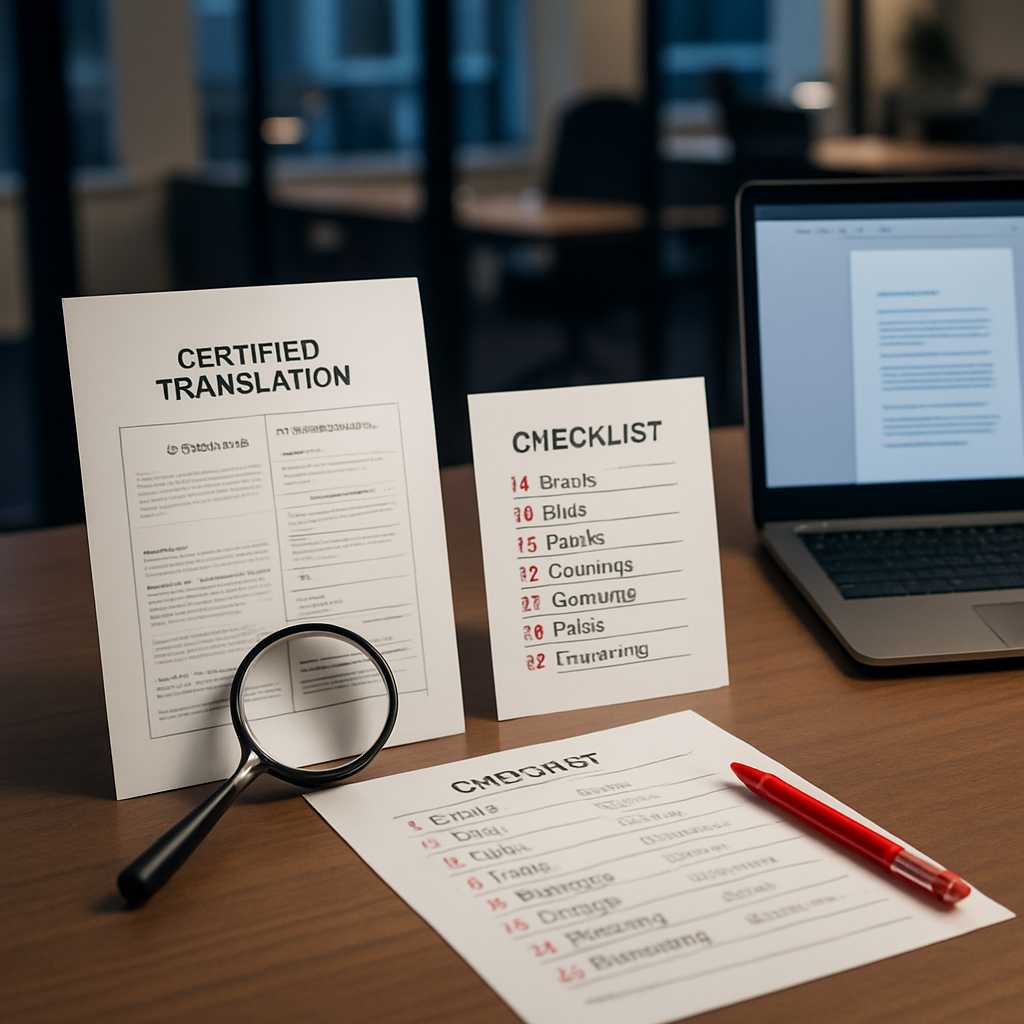
A Practical Quality-Check List for Handwritten Note Translation
Before a handwritten-note document is delivered, check that:
- all pages are included
- margins have been reviewed
- back-page writing has been checked
- stamps, seals, initials, and handwritten dates are accounted for
- pen corrections are shown clearly
- crossed-out text is handled transparently
- illegible text is marked honestly
- translator notes are used only where necessary
- the certification page matches the submission purpose
- the final English is easy to compare with the source
This is where a specialist service makes a real difference. A clean-looking translation is not enough. It has to survive scrutiny. If your document includes annotations, marginal notes, or pen corrections, upload the full file before submitting it anywhere. A careful review at this stage is far cheaper than a rejection, follow-up request, or resubmission.
A Common Real-World Pattern
A client sends a birth certificate that looks straightforward at first glance. The main fields are typed and clear. But in the margin, there is a short handwritten registrar note confirming a later amendment. That note is the entire reason the document must be translated carefully.
If the note is ignored, the translation looks incomplete. If the note is guessed, the translation becomes risky. If the note is translated, positioned clearly, and backed by a proper certification statement, the reviewer gets a document they can actually trust. That is the difference between a basic translation and one prepared for official use.
Choosing the Right Provider for Handwritten Annotations
Because translation is not a regulated profession in the UK, the safest route is to choose a provider or translator with a clear professional standard, a verifiable identity, and a format suitable for official review. UK industry guidance from CIOL and ITI also points clients toward recognised directories and credentials rather than relying on whoever appears first in search results. (CIOL)
For documents with handwriting, this matters even more. You are not just buying language conversion. You are buying judgement: when to label a note, when to use a translator note, when to request a better scan, when notarisation or sworn format may also be needed, and when a small handwritten correction changes the meaning of the document.
If your official document includes handwriting, annotations, or corrections, send the full scan and ask for the note handling to be reviewed before the translation is finalised. That single step prevents most avoidable problems.
Frequently Asked Questions
Do Handwritten Notes Need to Be Translated on Official Documents?
Yes, if the handwritten notes are visible and relevant to meaning, validity, review, or identification, they should normally be translated. This includes marginal notes, pen corrections, handwritten dates, initials, and annotations near stamps or seals.
How Should Handwritten Note Translation Be Shown in a Certified Translation?
The clearest method is to label the note, translate it, and indicate where it appears, for example: [Handwritten marginal note: Name corrected by court order]. If any part is unclear, a translator note should say so plainly.
What If the Handwritten Annotation Is Illegible?
It should not be guessed. The translator should translate only the readable part and mark the rest as illegible or partly illegible. A translator note is the correct way to handle uncertainty.
Are Marginal Notes and Pen Corrections Important in Annotations Translation?
Yes. Marginal notes and pen corrections can change names, dates, statuses, filing details, or official remarks. Leaving them out can make the translation look incomplete or misleading.
Can a Translator Ignore Handwriting If the Main Typed Text Is Already Clear?
No. Official reviewers compare the translation with the source document, not just the main text. If handwriting appears on the page and carries meaning, it should usually be accounted for.
Do UK Authorities Expect Handwritten Notes to Be Included in a Full Translation?
Where a full translation is required, the safer approach is to include all visible, meaningful content so the translation matches what the authority sees on the original. That is especially important for immigration, legal, court, and registry submissions. (GOV.UK)